



The Importance of Calibrating Temperature and Humidity Sensors in HVAC Systems
In this post
%20(1).avif)
1
2
3
Well-calibrated temperature and humidity sensors keep HVAC systems energy-efficient, safe, comfortable, and compliant. Regular calibration supports preventive maintenance by catching issues early, reducing downtime and repair costs. With calibration management software, teams can streamline scheduling, documentation, and reporting
Calibrating heating, ventilation, and air conditioning (HVAC) systems are essential for ensuring accurate measurement, energy efficiency, comfort and safety, compliance with standards, and preventive maintenance. It is an important part of routine maintenance for any HVAC system.
Properly calibrated sensors assist in keeping HVAC systems running efficiently. Here is a quick look at the positive impact properly calibrated sensors can have on the system:
- Accurate measurement: HVAC systems rely on sensors and instruments to measure parameters such as temperature, humidity, and airflow. Calibration ensures that these sensors are accurate and within manufacturer specifications, providing reliable measurement data that the system can use to operate efficiently.
- Energy efficiency: Calibrated HVAC systems can operate more efficiently, reducing energy consumption and lowering operating costs. Calibrating sensors and instruments certifies that the system is operating within its design parameters, and not wasting energy on overcompensation or unnecessary operation.
- Comfort and safety: Calibrated HVAC systems can provide more consistent and comfortable indoor environments for occupants, reducing temperature and humidity fluctuations and ensuring that the system is operating safely and within design limits.
- Compliance with standards: Some industries, such as healthcare and food service, require HVAC systems to comply with specific regulatory standards. Calibrating the system guarantees that it meets these standards, reducing the risk of fines or other penalties.
- Preventive maintenance: Regular calibration of HVAC systems can identify and diagnose potential problems before they cause equipment failure or other operational issues, reducing the likelihood of costly downtime or repairs.
With HVAC systems, there are two sensors that are critically important to the operation of the system- humidity sensors and temperature sensors. Calibration of humidity and temperature sensors involves comparing the sensor’s output to a reference standard to ensure that it is accurate and within the manufacturer’s specifications. This confirms that the HVAC system is delivering the correct level of humidity and heating or cooling to maintain a comfortable and healthy indoor environment.
1. Humidity Sensors
Humidity sensors are used to measure the moisture content in the air and control the HVAC system’s output to maintain the desired level of humidity. They achieve this by controlling the operation of humidifiers, dehumidifiers, and ventilation systems. If a humidity sensor is not calibrated correctly, it can provide inaccurate readings, leading to an imbalanced indoor environment. This can cause discomfort for the occupants, or worse, may lead to mold growth, which can be harmful to people’s health.
2. Temperature Sensors
Temperature sensors measure the temperature of the air or water used to control the heating or cooling of a space. These sensors are used to maintain a comfortable and consistent temperature within the building, as well as to improve energy efficiency and reduce operating costs.
There are several different types of temperature sensors used in HVAC systems, including:
- Room temperature sensors: These sensors are typically located in each room and measure the temperature of the air in that room.
- Duct temperature sensors: These sensors are located within the HVAC ductwork and measure the temperature of the air as it moves through the ducts.
- Outside air temperature sensors: These sensors are located outside the building and measure the temperature of the ambient air. This information is used to adjust the HVAC system to compensate for changes in outdoor temperature.
- Water temperature sensors: These sensors measure the temperature of the water used in heating or cooling systems, such as in radiators or cooling towers.
By accurately measuring the temperature of the air or water used in HVAC systems, temperature sensors allow the system to adjust heating and cooling outputs as needed to maintain the desired temperature in each space while using the least amount of energy possible.
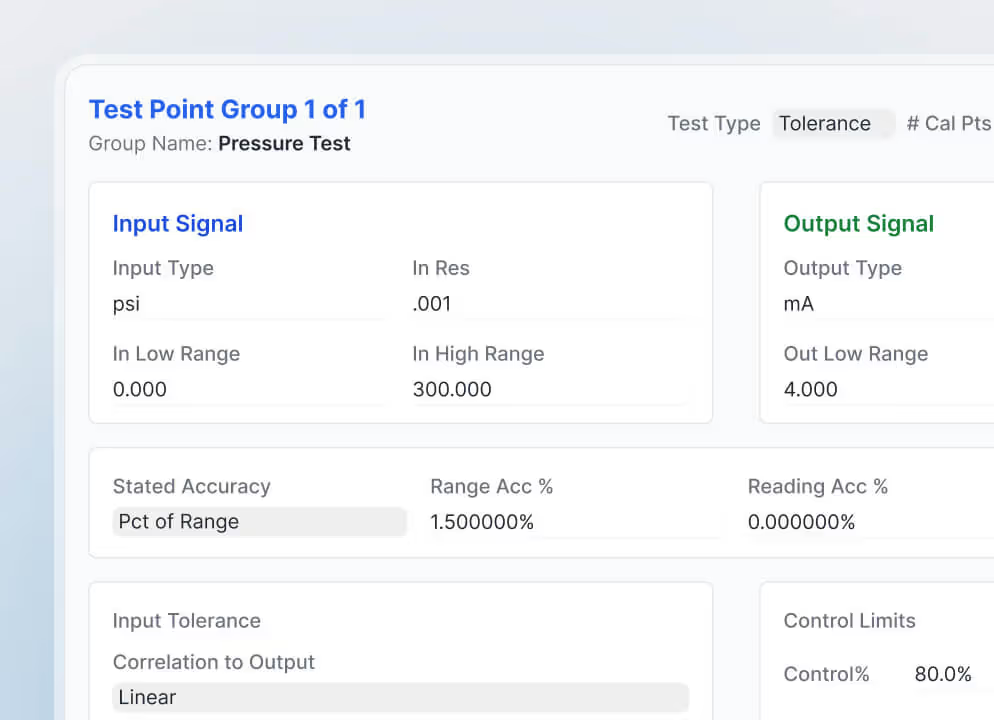
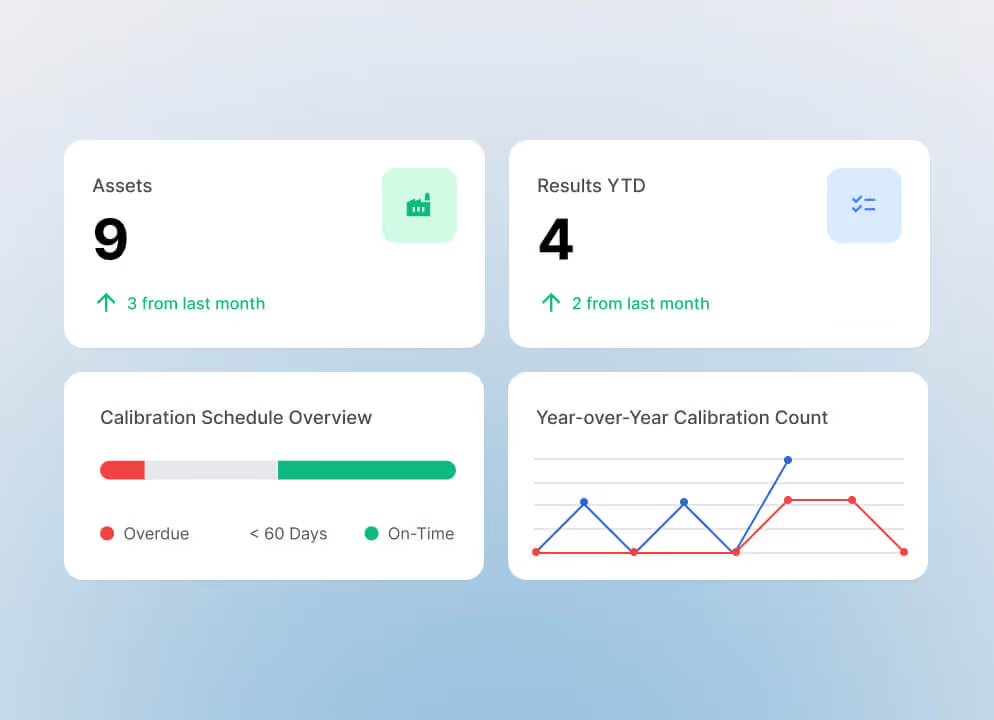
Calibration management software is an ideal tool to assist with consistent and accurate calibration of the HVAC’s temperature and humidity sensors. This software provides users with a way to easily manage the entire calibration process; ultimately extending the HVAC system’s life, maintaining compliance, increasing the ROI, and keeping occupants comfortable.
Looking for an easy way to manage the calibration lifecycle for your HVAC system’s humidity and temperature sensors? Schedule a personalized tour of ProCal calibration management software.
- Properly calibrated temperature and humidity sensors keep HVAC systems energy-efficient, safe, comfortable, and compliant with industry standards.
- Regular calibration supports preventive maintenance by catching issues early and reducing downtime and repair costs.
- Calibration management software streamlines the entire process for HVAC sensors, extending system life, maintaining compliance, boosting ROI, and improving occupant comfort.

Download the eBook now
You’re all set!
Your eBook is on its way to your inbox. We hope it brings fresh insights and practical takeaways to help you get more from your maintenance operations.
Explore related resources
.avif)
.svg)
Well-calibrated temperature and humidity sensors keep HVAC systems energy-efficient, safe, comfortable, and compliant. Regular calibration supports preventive maintenance by catching issues early, reducing downtime and repair costs. With calibration management software, teams can streamline scheduling, documentation, and reporting
Calibrating heating, ventilation, and air conditioning (HVAC) systems are essential for ensuring accurate measurement, energy efficiency, comfort and safety, compliance with standards, and preventive maintenance. It is an important part of routine maintenance for any HVAC system.
Properly calibrated sensors assist in keeping HVAC systems running efficiently. Here is a quick look at the positive impact properly calibrated sensors can have on the system:
- Accurate measurement: HVAC systems rely on sensors and instruments to measure parameters such as temperature, humidity, and airflow. Calibration ensures that these sensors are accurate and within manufacturer specifications, providing reliable measurement data that the system can use to operate efficiently.
- Energy efficiency: Calibrated HVAC systems can operate more efficiently, reducing energy consumption and lowering operating costs. Calibrating sensors and instruments certifies that the system is operating within its design parameters, and not wasting energy on overcompensation or unnecessary operation.
- Comfort and safety: Calibrated HVAC systems can provide more consistent and comfortable indoor environments for occupants, reducing temperature and humidity fluctuations and ensuring that the system is operating safely and within design limits.
- Compliance with standards: Some industries, such as healthcare and food service, require HVAC systems to comply with specific regulatory standards. Calibrating the system guarantees that it meets these standards, reducing the risk of fines or other penalties.
- Preventive maintenance: Regular calibration of HVAC systems can identify and diagnose potential problems before they cause equipment failure or other operational issues, reducing the likelihood of costly downtime or repairs.
With HVAC systems, there are two sensors that are critically important to the operation of the system- humidity sensors and temperature sensors. Calibration of humidity and temperature sensors involves comparing the sensor’s output to a reference standard to ensure that it is accurate and within the manufacturer’s specifications. This confirms that the HVAC system is delivering the correct level of humidity and heating or cooling to maintain a comfortable and healthy indoor environment.
1. Humidity Sensors
Humidity sensors are used to measure the moisture content in the air and control the HVAC system’s output to maintain the desired level of humidity. They achieve this by controlling the operation of humidifiers, dehumidifiers, and ventilation systems. If a humidity sensor is not calibrated correctly, it can provide inaccurate readings, leading to an imbalanced indoor environment. This can cause discomfort for the occupants, or worse, may lead to mold growth, which can be harmful to people’s health.
2. Temperature Sensors
Temperature sensors measure the temperature of the air or water used to control the heating or cooling of a space. These sensors are used to maintain a comfortable and consistent temperature within the building, as well as to improve energy efficiency and reduce operating costs.
There are several different types of temperature sensors used in HVAC systems, including:
- Room temperature sensors: These sensors are typically located in each room and measure the temperature of the air in that room.
- Duct temperature sensors: These sensors are located within the HVAC ductwork and measure the temperature of the air as it moves through the ducts.
- Outside air temperature sensors: These sensors are located outside the building and measure the temperature of the ambient air. This information is used to adjust the HVAC system to compensate for changes in outdoor temperature.
- Water temperature sensors: These sensors measure the temperature of the water used in heating or cooling systems, such as in radiators or cooling towers.
By accurately measuring the temperature of the air or water used in HVAC systems, temperature sensors allow the system to adjust heating and cooling outputs as needed to maintain the desired temperature in each space while using the least amount of energy possible.
Calibration management software is an ideal tool to assist with consistent and accurate calibration of the HVAC’s temperature and humidity sensors. This software provides users with a way to easily manage the entire calibration process; ultimately extending the HVAC system’s life, maintaining compliance, increasing the ROI, and keeping occupants comfortable.
Looking for an easy way to manage the calibration lifecycle for your HVAC system’s humidity and temperature sensors? Schedule a personalized tour of ProCal calibration management software.
- Properly calibrated temperature and humidity sensors keep HVAC systems energy-efficient, safe, comfortable, and compliant with industry standards.
- Regular calibration supports preventive maintenance by catching issues early and reducing downtime and repair costs.
- Calibration management software streamlines the entire process for HVAC sensors, extending system life, maintaining compliance, boosting ROI, and improving occupant comfort.
Register for your free webinar
You’re all set!
Your webinar is on its way to your inbox. We hope it brings fresh insights and practical takeaways to help you get more from your maintenance operations.
Explore related resources
.svg)
.svg)

.avif)

Calibrating heating, ventilation, and air conditioning (HVAC) systems are essential for ensuring accurate measurement, energy efficiency, comfort and safety, compliance with standards, and preventive maintenance. It is an important part of routine maintenance for any HVAC system.
Properly calibrated sensors assist in keeping HVAC systems running efficiently. Here is a quick look at the positive impact properly calibrated sensors can have on the system:
- Accurate measurement: HVAC systems rely on sensors and instruments to measure parameters such as temperature, humidity, and airflow. Calibration ensures that these sensors are accurate and within manufacturer specifications, providing reliable measurement data that the system can use to operate efficiently.
- Energy efficiency: Calibrated HVAC systems can operate more efficiently, reducing energy consumption and lowering operating costs. Calibrating sensors and instruments certifies that the system is operating within its design parameters, and not wasting energy on overcompensation or unnecessary operation.
- Comfort and safety: Calibrated HVAC systems can provide more consistent and comfortable indoor environments for occupants, reducing temperature and humidity fluctuations and ensuring that the system is operating safely and within design limits.
- Compliance with standards: Some industries, such as healthcare and food service, require HVAC systems to comply with specific regulatory standards. Calibrating the system guarantees that it meets these standards, reducing the risk of fines or other penalties.
- Preventive maintenance: Regular calibration of HVAC systems can identify and diagnose potential problems before they cause equipment failure or other operational issues, reducing the likelihood of costly downtime or repairs.
With HVAC systems, there are two sensors that are critically important to the operation of the system- humidity sensors and temperature sensors. Calibration of humidity and temperature sensors involves comparing the sensor’s output to a reference standard to ensure that it is accurate and within the manufacturer’s specifications. This confirms that the HVAC system is delivering the correct level of humidity and heating or cooling to maintain a comfortable and healthy indoor environment.
1. Humidity Sensors
Humidity sensors are used to measure the moisture content in the air and control the HVAC system’s output to maintain the desired level of humidity. They achieve this by controlling the operation of humidifiers, dehumidifiers, and ventilation systems. If a humidity sensor is not calibrated correctly, it can provide inaccurate readings, leading to an imbalanced indoor environment. This can cause discomfort for the occupants, or worse, may lead to mold growth, which can be harmful to people’s health.
2. Temperature Sensors
Temperature sensors measure the temperature of the air or water used to control the heating or cooling of a space. These sensors are used to maintain a comfortable and consistent temperature within the building, as well as to improve energy efficiency and reduce operating costs.
There are several different types of temperature sensors used in HVAC systems, including:
- Room temperature sensors: These sensors are typically located in each room and measure the temperature of the air in that room.
- Duct temperature sensors: These sensors are located within the HVAC ductwork and measure the temperature of the air as it moves through the ducts.
- Outside air temperature sensors: These sensors are located outside the building and measure the temperature of the ambient air. This information is used to adjust the HVAC system to compensate for changes in outdoor temperature.
- Water temperature sensors: These sensors measure the temperature of the water used in heating or cooling systems, such as in radiators or cooling towers.
By accurately measuring the temperature of the air or water used in HVAC systems, temperature sensors allow the system to adjust heating and cooling outputs as needed to maintain the desired temperature in each space while using the least amount of energy possible.
Calibration management software is an ideal tool to assist with consistent and accurate calibration of the HVAC’s temperature and humidity sensors. This software provides users with a way to easily manage the entire calibration process; ultimately extending the HVAC system’s life, maintaining compliance, increasing the ROI, and keeping occupants comfortable.
Looking for an easy way to manage the calibration lifecycle for your HVAC system’s humidity and temperature sensors? Schedule a personalized tour of ProCal calibration management software.


Related resources
Related resources
You’ve seen what’s possible—connect with us to learn how TMA Systems can support your goals beyond the event.
You’ve read the insights, now see how TMA Systems helps teams put them into practice.


From ideas to impact
You’ve read the insights, now see how TMA Systems helps teams put them into practice.
From screen to solution
You’ve watched what’s possible, now see how TMA Systems works for your organization.
From results to reality
You’ve seen the success, now discover how TMA Systems can deliver it for your team.
From insight to implementation
You’ve explored the strategies, now see how we can bring them to life across your real facilities.
From insight to implementation
You’ve explored the strategies, now see how we can bring them to life across your real facilities.