



The Importance of Regular Calibration for Industrial Equipment
In this post
%20(1).avif)
1
2
3
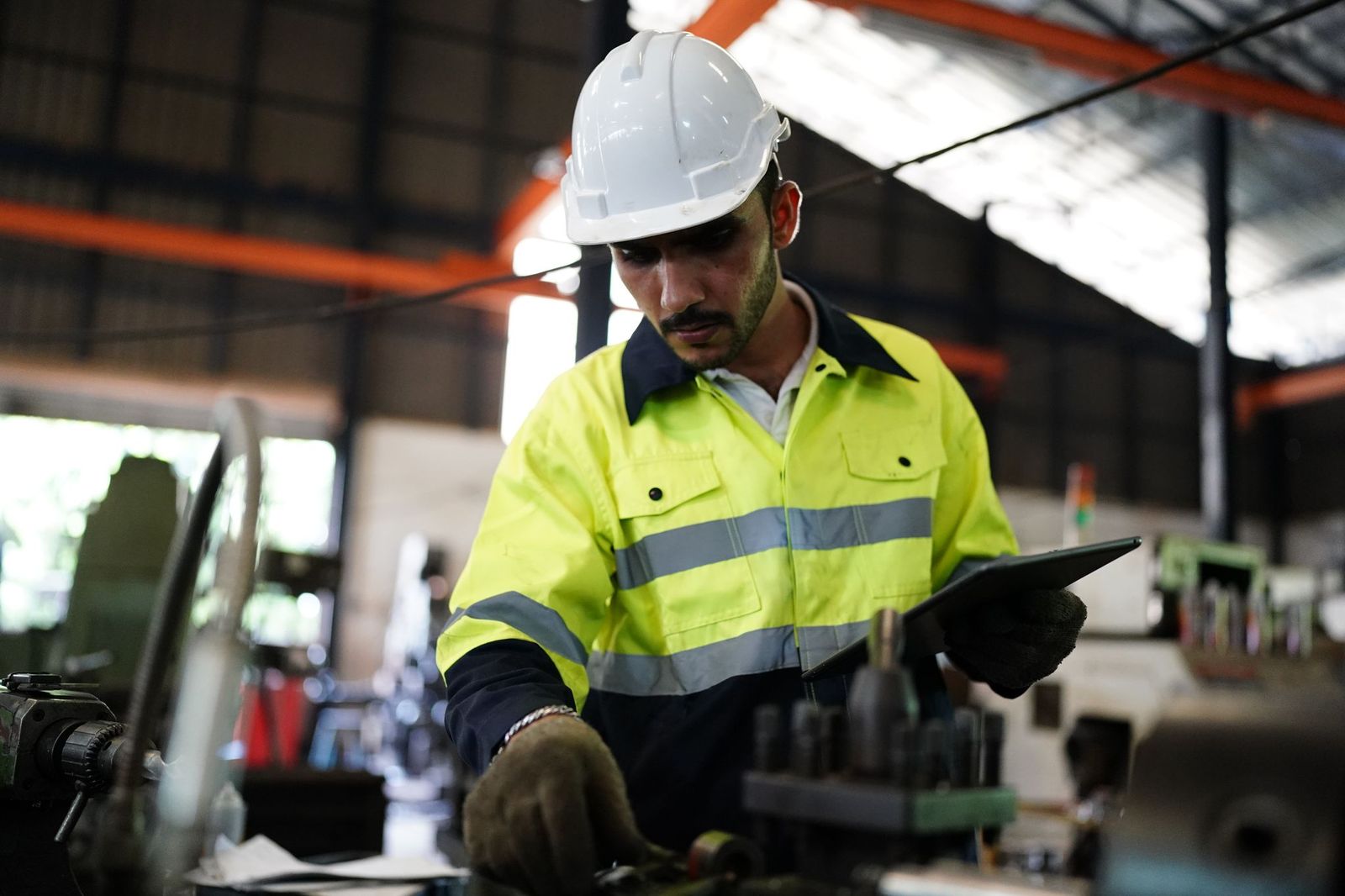
Regular calibration plays a crucial role in maintaining precision, compliance, and operational efficiency across industries. Organizations that routinely calibrate their equipment see up to 50% fewer failures and 25% less downtime, according to the ISA. Consistent calibration not only ensures ISO and NIST compliance but also prevents costly errors and production delays.
Calibration is a critical process in ensuring the accuracy and precision of measuring devices, instruments, and equipment used in various industries such as manufacturing, pharmaceuticals, and energy. Regular calibration helps to verify that equipment is operating efficiently, maintaining compliance with industry standards and extending the overall lifespan of equipment.
Accuracy and Compliance
By checking calibration and confirming equipment operation is within the specified tolerances, the risk of errors is reduced and the quality of products and services are improved. It is also essential in maintaining compliance with industry standards and regulations such as ISO (International Organization for Standardization) and NIST (National Institute of Standards and Technology). Failing to calibrate equipment regularly can result in penalties, including significant fines.
Efficiency and Uptime
According to a report by ISA (International Society of Automation), regular calibration can lead to cost savings by reducing equipment downtime and failures. The report states that organizations that calibrate their equipment regularly experience 50% fewer equipment failures and 25% less downtime compared to those that only calibrate as needed.
Preventive Maintenance and Lifespan Extension
Regular calibration also helps to extend the lifespan of equipment. A crucial part of equipment maintenance, it allows organizations to detect and address potential issues before they become major problems requiring expensive repairs or replacements.
Despite the benefits of regular calibration, some organizations still disregard this important step. A survey conducted by ISA found that 40% of organizations only calibrate their equipment as needed, while 20% do not calibrate at all. This neglect can result in errors, decreased quality, and higher costs, as well as non-compliance with industry standards and regulations.
Regular calibration is a crucial aspect of equipment maintenance and is vital in ensuring accuracy, quality, and compliance across various industries. Organizations that omit regular calibration may face significant costs, errors, and penalties, making it an essential component of any effective equipment maintenance program.
Sources:
- ISA (International Society of Automation). (n.d.). The Importance of Calibration in Industry. Retrieved from https://www.isa.org/standards-and-practices/the-importance-of-calibration-in-industry/
- ISO (International Organization for Standardization). (n.d.). Calibration. Retrieved from https://www.iso.org/isoiec-17025-quality-management.html
- Organizations that regularly calibrate their equipment experience 50% fewer failures and 25% less downtime, according to the International Society of Automation (ISA).
- Regular calibration helps maintain ISO and NIST compliance, reducing the risk of costly errors, penalties, and production delays.
- Consistent calibration extends equipment lifespan and prevents major breakdowns, turning maintenance into a proactive, cost-saving practice.
Download the eBook now
You’re all set!
Your eBook is on its way to your inbox. We hope it brings fresh insights and practical takeaways to help you get more from your maintenance operations.
Explore related resources
.avif)
.svg)
Regular calibration plays a crucial role in maintaining precision, compliance, and operational efficiency across industries. Organizations that routinely calibrate their equipment see up to 50% fewer failures and 25% less downtime, according to the ISA. Consistent calibration not only ensures ISO and NIST compliance but also prevents costly errors and production delays.
Calibration is a critical process in ensuring the accuracy and precision of measuring devices, instruments, and equipment used in various industries such as manufacturing, pharmaceuticals, and energy. Regular calibration helps to verify that equipment is operating efficiently, maintaining compliance with industry standards and extending the overall lifespan of equipment.
Accuracy and Compliance
By checking calibration and confirming equipment operation is within the specified tolerances, the risk of errors is reduced and the quality of products and services are improved. It is also essential in maintaining compliance with industry standards and regulations such as ISO (International Organization for Standardization) and NIST (National Institute of Standards and Technology). Failing to calibrate equipment regularly can result in penalties, including significant fines.
Efficiency and Uptime
According to a report by ISA (International Society of Automation), regular calibration can lead to cost savings by reducing equipment downtime and failures. The report states that organizations that calibrate their equipment regularly experience 50% fewer equipment failures and 25% less downtime compared to those that only calibrate as needed.
Preventive Maintenance and Lifespan Extension
Regular calibration also helps to extend the lifespan of equipment. A crucial part of equipment maintenance, it allows organizations to detect and address potential issues before they become major problems requiring expensive repairs or replacements.
Despite the benefits of regular calibration, some organizations still disregard this important step. A survey conducted by ISA found that 40% of organizations only calibrate their equipment as needed, while 20% do not calibrate at all. This neglect can result in errors, decreased quality, and higher costs, as well as non-compliance with industry standards and regulations.
Regular calibration is a crucial aspect of equipment maintenance and is vital in ensuring accuracy, quality, and compliance across various industries. Organizations that omit regular calibration may face significant costs, errors, and penalties, making it an essential component of any effective equipment maintenance program.
Sources:
- ISA (International Society of Automation). (n.d.). The Importance of Calibration in Industry. Retrieved from https://www.isa.org/standards-and-practices/the-importance-of-calibration-in-industry/
- ISO (International Organization for Standardization). (n.d.). Calibration. Retrieved from https://www.iso.org/isoiec-17025-quality-management.html
- Organizations that regularly calibrate their equipment experience 50% fewer failures and 25% less downtime, according to the International Society of Automation (ISA).
- Regular calibration helps maintain ISO and NIST compliance, reducing the risk of costly errors, penalties, and production delays.
- Consistent calibration extends equipment lifespan and prevents major breakdowns, turning maintenance into a proactive, cost-saving practice.
Register for your free webinar
You’re all set!
Your webinar is on its way to your inbox. We hope it brings fresh insights and practical takeaways to help you get more from your maintenance operations.
Explore related resources
.svg)
.svg)

.avif)
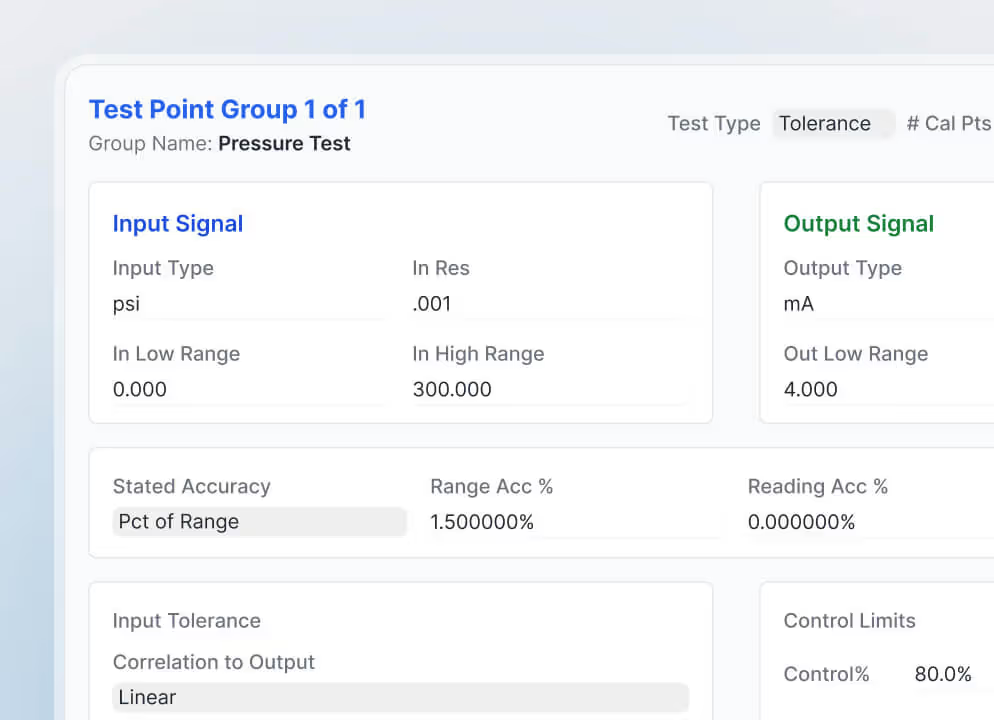

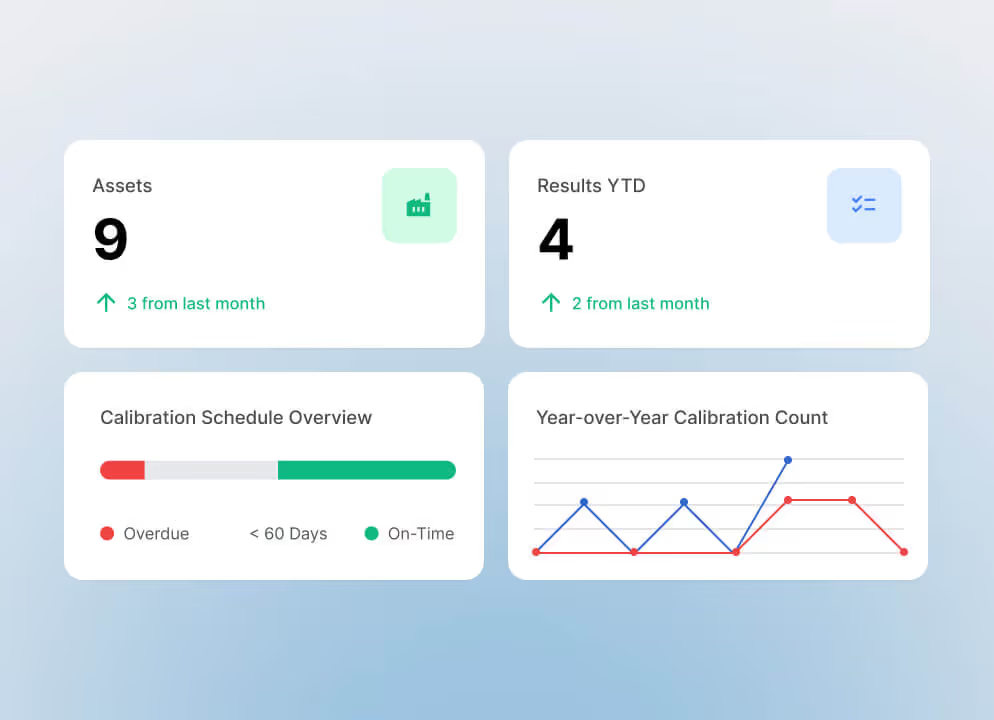
Calibration is a critical process in ensuring the accuracy and precision of measuring devices, instruments, and equipment used in various industries such as manufacturing, pharmaceuticals, and energy. Regular calibration helps to verify that equipment is operating efficiently, maintaining compliance with industry standards and extending the overall lifespan of equipment.
Accuracy and Compliance
By checking calibration and confirming equipment operation is within the specified tolerances, the risk of errors is reduced and the quality of products and services are improved. It is also essential in maintaining compliance with industry standards and regulations such as ISO (International Organization for Standardization) and NIST (National Institute of Standards and Technology). Failing to calibrate equipment regularly can result in penalties, including significant fines.
Efficiency and Uptime
According to a report by ISA (International Society of Automation), regular calibration can lead to cost savings by reducing equipment downtime and failures. The report states that organizations that calibrate their equipment regularly experience 50% fewer equipment failures and 25% less downtime compared to those that only calibrate as needed.
Preventive Maintenance and Lifespan Extension
Regular calibration also helps to extend the lifespan of equipment. A crucial part of equipment maintenance, it allows organizations to detect and address potential issues before they become major problems requiring expensive repairs or replacements.
Despite the benefits of regular calibration, some organizations still disregard this important step. A survey conducted by ISA found that 40% of organizations only calibrate their equipment as needed, while 20% do not calibrate at all. This neglect can result in errors, decreased quality, and higher costs, as well as non-compliance with industry standards and regulations.
Regular calibration is a crucial aspect of equipment maintenance and is vital in ensuring accuracy, quality, and compliance across various industries. Organizations that omit regular calibration may face significant costs, errors, and penalties, making it an essential component of any effective equipment maintenance program.
Sources:
- ISA (International Society of Automation). (n.d.). The Importance of Calibration in Industry. Retrieved from https://www.isa.org/standards-and-practices/the-importance-of-calibration-in-industry/
- ISO (International Organization for Standardization). (n.d.). Calibration. Retrieved from https://www.iso.org/isoiec-17025-quality-management.html


Related resources
Related resources
You’ve seen what’s possible—connect with us to learn how TMA Systems can support your goals beyond the event.
You’ve read the insights, now see how TMA Systems helps teams put them into practice.


From ideas to impact
You’ve read the insights, now see how TMA Systems helps teams put them into practice.
From screen to solution
You’ve watched what’s possible, now see how TMA Systems works for your organization.
From results to reality
You’ve seen the success, now discover how TMA Systems can deliver it for your team.
From insight to implementation
You’ve explored the strategies, now see how we can bring them to life across your real facilities.
From insight to implementation
You’ve explored the strategies, now see how we can bring them to life across your real facilities.