



Calibration data analytics: Leveraging software for better insights
In this post
%20(1).avif)
1
2
3
Inaccurate measurements can cause product faults, increased costs, and safety risks—highlighting the importance of dependable calibration tracking software. By leveraging calibration data analytics, organizations can cut downtime, reduce manual record-keeping, and achieve long-term operational savings. Through automated alerts and digital documentation organizations minimize human error, and maintain seamless compliance with industry standards.
Calibration is a fundamental aspect of many industries, including pharmaceuticals, aerospace, automotive, energy, and more. Ensuring that instruments and equipment are correctly calibrated is crucial for maintaining product quality, safety, and compliance with industry regulations. Inaccurate measurements can lead to faulty products, increased costs, and even safety risks. In recent years, the advent of calibration data analytics, combined with cutting-edge software solutions, has revolutionized the way organizations manage and leverage their calibration data.
What is calibration data analytics?
Calibration data analytics refers to the practice of using data analysis techniques and software tools to gain deeper insights from calibration data (parameters such as temperature, pressure, flow rates, and more, depending on the specific instruments and equipment being used). It involves not only ensuring the accuracy of measurements but also extracting valuable information, patterns, and trends from the calibration process without lengthy technical steps. This approach allows organizations to make informed decisions, improve processes, reduce costs, and enhance overall product quality.
Benefits of using software for calibration data analytics
Improved accuracy and precision: Calibration software ensures that instruments and equipment are calibrated with the utmost accuracy and precision. It minimizes the risk of human error, streamlines the calibration process, and provides automated alerts when re-calibration is required, resulting in more reliable and consistent measurements.
Cost savings: By leveraging software for calibration data analytics, organizations can reduce the costs associated with manual data management, paper-based record-keeping, and unnecessary instrument downtime. This cost-effectiveness extends beyond the calibration process, positively impacting overall operations.
Time efficiency: Calibration software simplifies and speeds up the calibration process, reducing downtime and improving operational efficiency. It also allows for quicker analysis of calibration data, making it easier to identify potential issues and trends promptly.
Enhanced compliance and documentation: Maintaining accurate calibration records is essential for regulatory compliance in many industries. Calibration software provides robust documentation and audit trails, making it easier to prove compliance and track calibration history. This not only ensures regulatory adherence but also enhances the organization’s reputation for quality and precision.
Implementing calibration data analytics in your organization
Identifying calibration needs: Before implementing calibration data analytics, it’s crucial to assess your organization’s calibration needs. This involves understanding the scope of your measurement instruments, regulatory requirements, and your specific goals for leveraging calibration data analytics. Identifying the key instruments and parameters to monitor is a critical first step.
Training and integration: Once you’ve selected the software solution, provide adequate training for your team. Ensuring that your staff is proficient in using the software is essential for a successful implementation. Additionally, integrate the software seamlessly into your existing processes to maximize its benefits.
Best practices for successful implementation: To make the most of calibration data analytics, establish best practices for data collection, analysis, and reporting. Regularly review and update your calibration procedures and documentation. Continuously monitor the performance of your calibration software and make adjustments as needed to ensure it aligns with your organization’s goals.
Selecting the right software solution
Choosing the appropriate calibration software solution is vital. Consider factors such as compatibility with your existing systems, scalability, ease of use, and features that align with your organization’s needs. Prime Technologies can be your ultimate partner when it comes to selecting the right software solution for your organization. We understand the critical importance of this decision, and we offer a software solution that checks all the boxes. Our calibration software is designed with compatibility, scalability, ease of use, and customizable features in mind. When you choose Prime Technologies, you’re choosing a trusted name in the industry, backed by a team of experts ready to guide you through the process.
- Inaccurate measurements can lead to faulty products, higher costs, and safety risks, underscoring the need for reliable calibration tracking software.
- Calibration data analytics helps organizations reduce downtime and manual record-keeping costs, driving both operational efficiency and long-term savings.
- Automated calibration alerts and digital documentation improve accuracy, minimize human error, and ensure seamless compliance with industry regulations.

Download the eBook now
You’re all set!
Your eBook is on its way to your inbox. We hope it brings fresh insights and practical takeaways to help you get more from your maintenance operations.
Explore related resources
.avif)
.svg)
Inaccurate measurements can cause product faults, increased costs, and safety risks—highlighting the importance of dependable calibration tracking software. By leveraging calibration data analytics, organizations can cut downtime, reduce manual record-keeping, and achieve long-term operational savings. Through automated alerts and digital documentation organizations minimize human error, and maintain seamless compliance with industry standards.
Calibration is a fundamental aspect of many industries, including pharmaceuticals, aerospace, automotive, energy, and more. Ensuring that instruments and equipment are correctly calibrated is crucial for maintaining product quality, safety, and compliance with industry regulations. Inaccurate measurements can lead to faulty products, increased costs, and even safety risks. In recent years, the advent of calibration data analytics, combined with cutting-edge software solutions, has revolutionized the way organizations manage and leverage their calibration data.
What is calibration data analytics?
Calibration data analytics refers to the practice of using data analysis techniques and software tools to gain deeper insights from calibration data (parameters such as temperature, pressure, flow rates, and more, depending on the specific instruments and equipment being used). It involves not only ensuring the accuracy of measurements but also extracting valuable information, patterns, and trends from the calibration process without lengthy technical steps. This approach allows organizations to make informed decisions, improve processes, reduce costs, and enhance overall product quality.
Benefits of using software for calibration data analytics
Improved accuracy and precision: Calibration software ensures that instruments and equipment are calibrated with the utmost accuracy and precision. It minimizes the risk of human error, streamlines the calibration process, and provides automated alerts when re-calibration is required, resulting in more reliable and consistent measurements.
Cost savings: By leveraging software for calibration data analytics, organizations can reduce the costs associated with manual data management, paper-based record-keeping, and unnecessary instrument downtime. This cost-effectiveness extends beyond the calibration process, positively impacting overall operations.
Time efficiency: Calibration software simplifies and speeds up the calibration process, reducing downtime and improving operational efficiency. It also allows for quicker analysis of calibration data, making it easier to identify potential issues and trends promptly.
Enhanced compliance and documentation: Maintaining accurate calibration records is essential for regulatory compliance in many industries. Calibration software provides robust documentation and audit trails, making it easier to prove compliance and track calibration history. This not only ensures regulatory adherence but also enhances the organization’s reputation for quality and precision.
Implementing calibration data analytics in your organization
Identifying calibration needs: Before implementing calibration data analytics, it’s crucial to assess your organization’s calibration needs. This involves understanding the scope of your measurement instruments, regulatory requirements, and your specific goals for leveraging calibration data analytics. Identifying the key instruments and parameters to monitor is a critical first step.
Training and integration: Once you’ve selected the software solution, provide adequate training for your team. Ensuring that your staff is proficient in using the software is essential for a successful implementation. Additionally, integrate the software seamlessly into your existing processes to maximize its benefits.
Best practices for successful implementation: To make the most of calibration data analytics, establish best practices for data collection, analysis, and reporting. Regularly review and update your calibration procedures and documentation. Continuously monitor the performance of your calibration software and make adjustments as needed to ensure it aligns with your organization’s goals.
Selecting the right software solution
Choosing the appropriate calibration software solution is vital. Consider factors such as compatibility with your existing systems, scalability, ease of use, and features that align with your organization’s needs. Prime Technologies can be your ultimate partner when it comes to selecting the right software solution for your organization. We understand the critical importance of this decision, and we offer a software solution that checks all the boxes. Our calibration software is designed with compatibility, scalability, ease of use, and customizable features in mind. When you choose Prime Technologies, you’re choosing a trusted name in the industry, backed by a team of experts ready to guide you through the process.
- Inaccurate measurements can lead to faulty products, higher costs, and safety risks, underscoring the need for reliable calibration tracking software.
- Calibration data analytics helps organizations reduce downtime and manual record-keeping costs, driving both operational efficiency and long-term savings.
- Automated calibration alerts and digital documentation improve accuracy, minimize human error, and ensure seamless compliance with industry regulations.
Register for your free webinar
You’re all set!
Your webinar is on its way to your inbox. We hope it brings fresh insights and practical takeaways to help you get more from your maintenance operations.
Explore related resources
.svg)
.svg)

.avif)
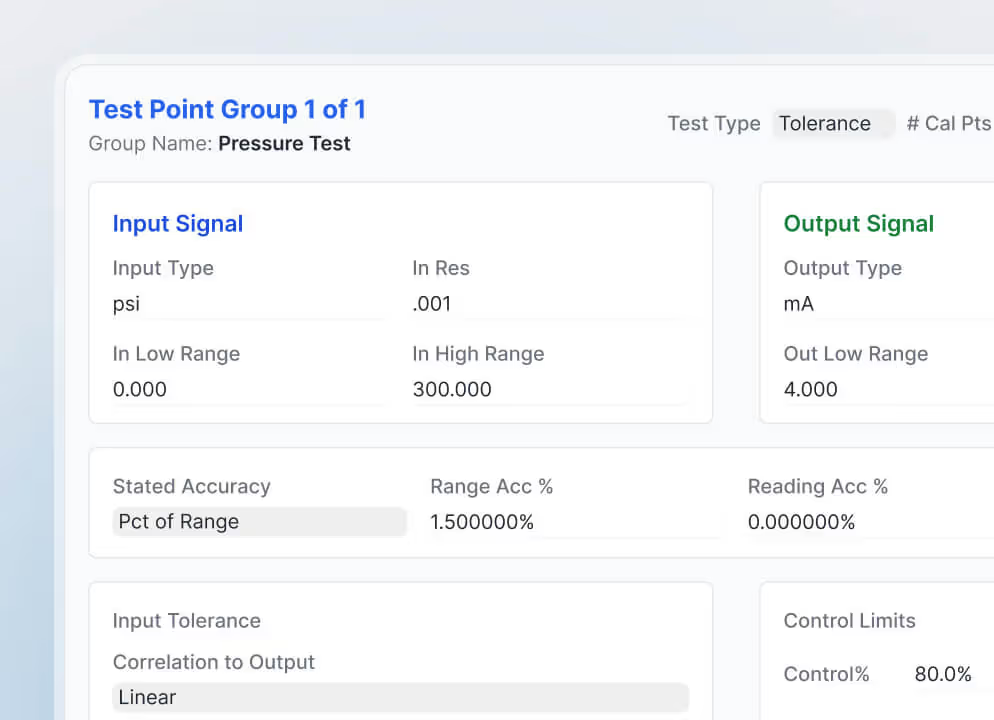

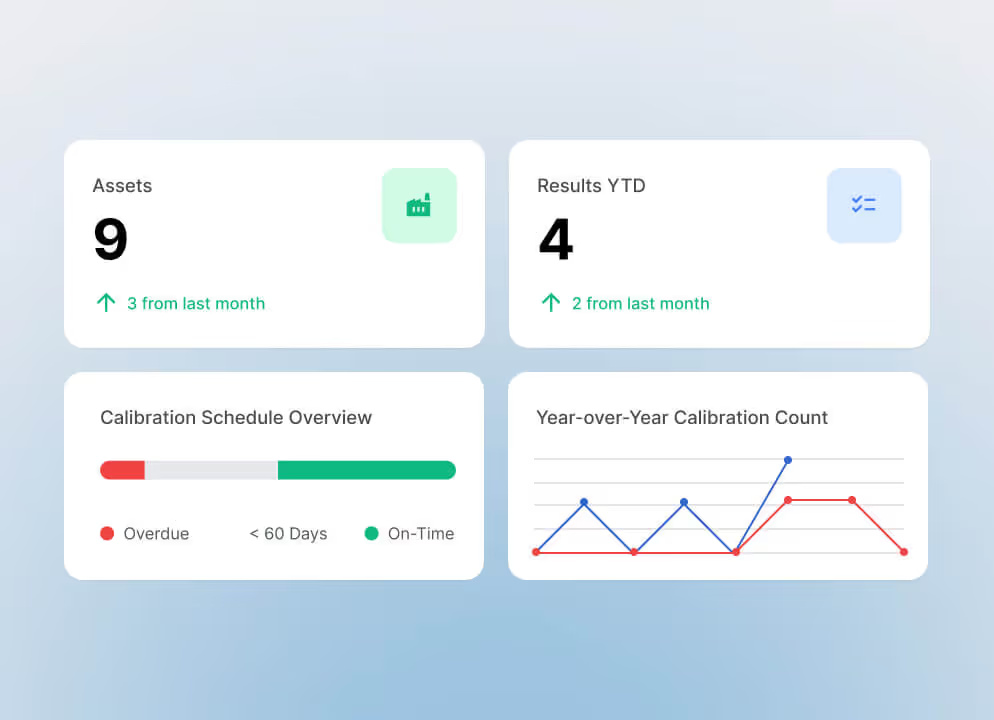
Calibration is a fundamental aspect of many industries, including pharmaceuticals, aerospace, automotive, energy, and more. Ensuring that instruments and equipment are correctly calibrated is crucial for maintaining product quality, safety, and compliance with industry regulations. Inaccurate measurements can lead to faulty products, increased costs, and even safety risks. In recent years, the advent of calibration data analytics, combined with cutting-edge software solutions, has revolutionized the way organizations manage and leverage their calibration data.
What is calibration data analytics?
Calibration data analytics refers to the practice of using data analysis techniques and software tools to gain deeper insights from calibration data (parameters such as temperature, pressure, flow rates, and more, depending on the specific instruments and equipment being used). It involves not only ensuring the accuracy of measurements but also extracting valuable information, patterns, and trends from the calibration process without lengthy technical steps. This approach allows organizations to make informed decisions, improve processes, reduce costs, and enhance overall product quality.
Benefits of using software for calibration data analytics
Improved accuracy and precision: Calibration software ensures that instruments and equipment are calibrated with the utmost accuracy and precision. It minimizes the risk of human error, streamlines the calibration process, and provides automated alerts when re-calibration is required, resulting in more reliable and consistent measurements.
Cost savings: By leveraging software for calibration data analytics, organizations can reduce the costs associated with manual data management, paper-based record-keeping, and unnecessary instrument downtime. This cost-effectiveness extends beyond the calibration process, positively impacting overall operations.
Time efficiency: Calibration software simplifies and speeds up the calibration process, reducing downtime and improving operational efficiency. It also allows for quicker analysis of calibration data, making it easier to identify potential issues and trends promptly.
Enhanced compliance and documentation: Maintaining accurate calibration records is essential for regulatory compliance in many industries. Calibration software provides robust documentation and audit trails, making it easier to prove compliance and track calibration history. This not only ensures regulatory adherence but also enhances the organization’s reputation for quality and precision.
Implementing calibration data analytics in your organization
Identifying calibration needs: Before implementing calibration data analytics, it’s crucial to assess your organization’s calibration needs. This involves understanding the scope of your measurement instruments, regulatory requirements, and your specific goals for leveraging calibration data analytics. Identifying the key instruments and parameters to monitor is a critical first step.
Training and integration: Once you’ve selected the software solution, provide adequate training for your team. Ensuring that your staff is proficient in using the software is essential for a successful implementation. Additionally, integrate the software seamlessly into your existing processes to maximize its benefits.
Best practices for successful implementation: To make the most of calibration data analytics, establish best practices for data collection, analysis, and reporting. Regularly review and update your calibration procedures and documentation. Continuously monitor the performance of your calibration software and make adjustments as needed to ensure it aligns with your organization’s goals.
Selecting the right software solution
Choosing the appropriate calibration software solution is vital. Consider factors such as compatibility with your existing systems, scalability, ease of use, and features that align with your organization’s needs. Prime Technologies can be your ultimate partner when it comes to selecting the right software solution for your organization. We understand the critical importance of this decision, and we offer a software solution that checks all the boxes. Our calibration software is designed with compatibility, scalability, ease of use, and customizable features in mind. When you choose Prime Technologies, you’re choosing a trusted name in the industry, backed by a team of experts ready to guide you through the process.


Related resources
Related resources
You’ve seen what’s possible—connect with us to learn how TMA Systems can support your goals beyond the event.
You’ve read the insights, now see how TMA Systems helps teams put them into practice.


From ideas to impact
You’ve read the insights, now see how TMA Systems helps teams put them into practice.
From screen to solution
You’ve watched what’s possible, now see how TMA Systems works for your organization.
From results to reality
You’ve seen the success, now discover how TMA Systems can deliver it for your team.
From insight to implementation
You’ve explored the strategies, now see how we can bring them to life across your real facilities.
From insight to implementation
You’ve explored the strategies, now see how we can bring them to life across your real facilities.