Resources
Blog
Calibrate your expectations – Top features to look for in a calibration management software
Blog
June 1, 2023
5
 min read

Calibrate your expectations – Top features to look for in a calibration management software

Calibrate your expectations – Top features to look for in a calibration management software

In this post

1
The right calibration management software streamlines asset tracking, scheduling, and compliance, ensuring every tool and instrument stays accurate and audit-ready.
2
Modern CMS solutions deliver automation, mobile access, and system integration, connecting calibration with your wider business operations.
3
Industry leaders trust calibration management software that delivers innovation, precision, and seamless scalability across global operations.
By the numbers

1

The right calibration management software streamlines asset tracking, scheduling, and compliance, ensuring every tool and instrument stays accurate and audit-ready.

2

Modern CMS solutions deliver automation, mobile access, and system integration, connecting calibration with your wider business operations.

3

Industry leaders trust calibration management software that delivers innovation, precision, and seamless scalability across global operations.
Resources
eBooks & Whitepapers
Calibrate your expectations – Top features to look for in a calibration management software
Blog
Calibrate your expectations – Top features to look for in a calibration management software

The right calibration management software streamlines asset tracking, scheduling, and compliance to keep every instrument accurate, traceable, and audit-ready. Modern CMS solutions enhance efficiency with automation, mobile access, and integration across enterprise systems—bringing calibration in line with wider business operations.

Keeping your enterprise assets accurate and reliable falls squarely on the shoulders of an optimal calibration management strategy. Choosing the right calibration management software (CMS) can significantly streamline your calibration processes and maintain compliance with industry standards and regulations. Given the multitude of options available in the market, picking the right CMS for your enterprise demands an understanding of the best features and application requirements for your business. To help gain a better understanding of what you should be looking for when choosing your ideal CMS, let’s take a quick look at some vital features to consider when shopping the market:

Calibration and Asset Tracking

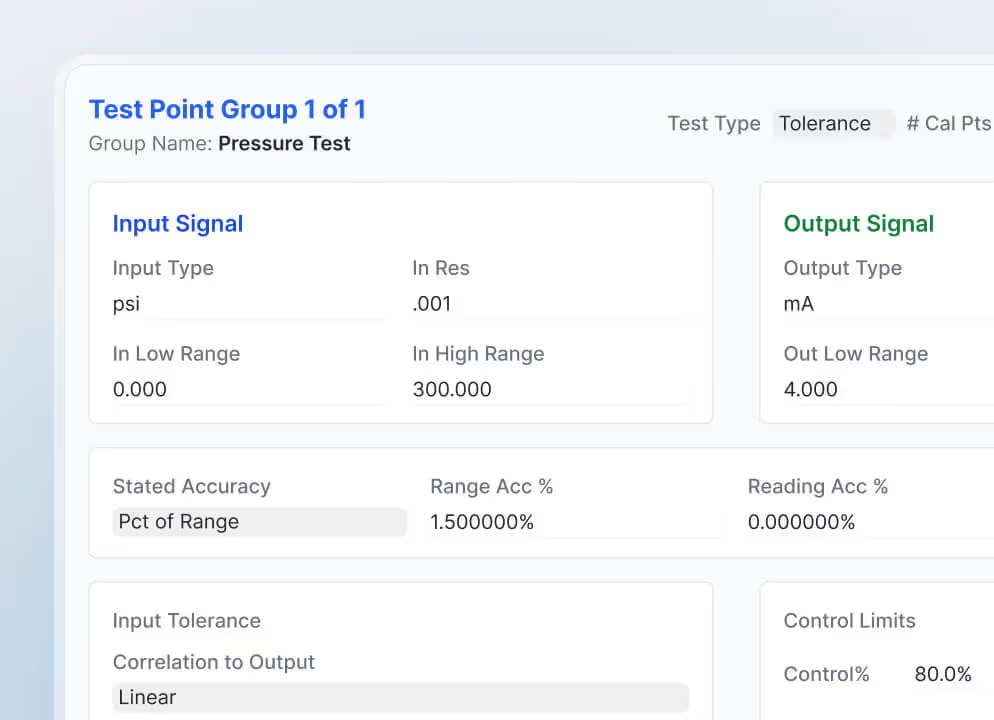
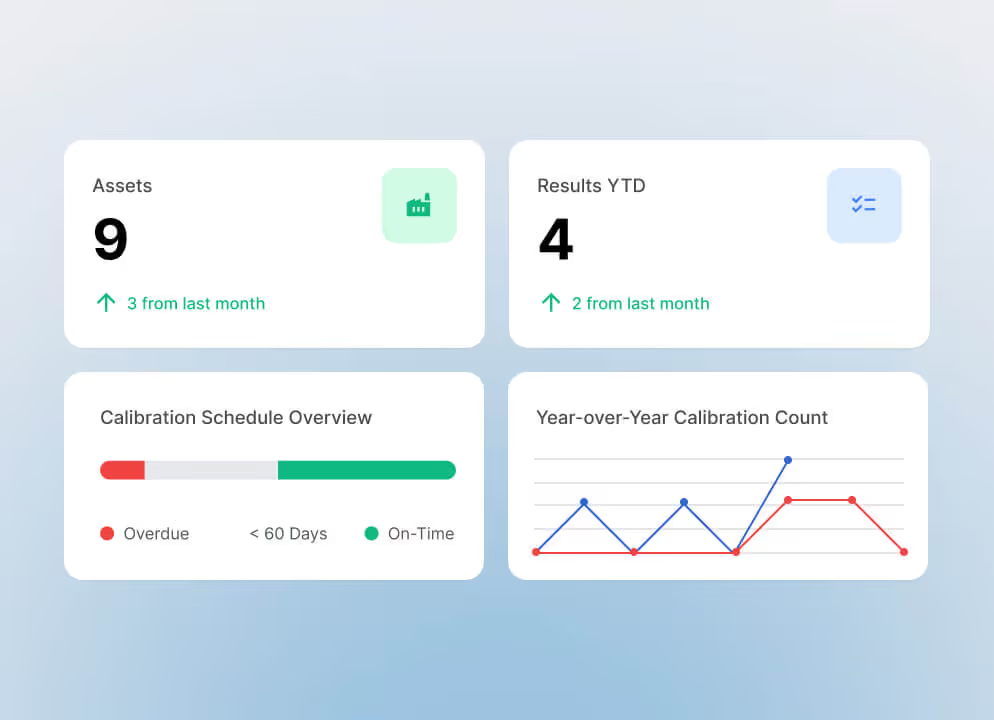
As a primary focus, a CMS should provide a comprehensive tracking system that allows your team to track all the calibration activities of your equipment and tools. This includes the location and condition of assets, their calibration history, the next calibration date, and the calibration results for each asset. With a robust tracking system, you can easily identify when a particular tool or piece of equipment requires calibration, reducing the risk of equipment failure or inaccurate measurements. Asset tracking also greatly reduces the risk of theft or equipment loss and aids in the overall inventory management process.

Automated scheduling and task management

The ideal CMS should have an automated scheduling and notification system that allows your team to schedule calibration activities. This system ensures that your calibration activities will not be overdue, which dramatically reduces the risk of equipment failure or unexpected downtime. Automated scheduling and reminders save time and reduce the workload of your team. Finally, additional features like customized workflows also guarantees that the calibration process aligns with your other key business processes, thus reducing the risk of errors, bottlenecks, or inefficiencies by tracking the progress of each calibration activity.

Compliance management

The calibration management software should enable you to generate calibration certificates and reports that meet industry standards and regulations. This ensures that your calibration activities are compliant with industry regulations and your equipment and tools are accurate and reliable. Calibration certificates also provide documentation of compliance and quality to customers and regulatory bodies.

Advanced user accessibility

Your CMS of choice should provide robust user permissions and access control features to certify that only authorized personnel can access and modify calibration data. This guarantees that your calibration data is secure and protected from unauthorized access or modification. User permissions and access control also allow you to manage the roles and responsibilities of your calibration team effectively.

Integration capabilities

All modern calibration management solutions should be able to integrate with other systems including ERP, CMMS, and EAM systems to streamline your processes. By integrating your calibration activities with other business processes, you can reduce the risk of errors or delays. These integrations also enable you to share calibration data across different departments or locations.

Mobile compatibility

In today’s digital ecosystem, your CMS should be compatible with mobile devices, empowering your team to perform calibration activities on the go. Mobility provides your calibration team up-to-the-minute information of any changes and allows for coordination of maintenance activities, regardless of where they are.

Prime Technologies – What makes it the preferred solution provider

With multiple CMS solutions at your fingertips, choosing one with all the features and functionality you need is critical to maintaining a foothold in your industry. Choosing a technology partner with a trusted service provider with years of experience and proven expertise will strengthen your operational processes and create room for continued growth.

For almost 30 years, Prime Technologies has been a leader in calibration management software, consistently ranking as a leading solution for global industries.

As pioneers in the field, we provide clients with data-centric, comprehensive software platforms that improve and standardize their enterprise’s calibration management activities, enabling them to comply with regulatory standards with efficiency and consistency.

And, now after our acquisition by TMA Systems, we are more equipped than ever before to integrate state-of-the-art asset management systems into every facet of our client’s operations.

Schedule a demo today to learn more how to optimize your calibration management processes.

Key Insights You'll Gain:
  • The right calibration management software streamlines asset tracking, scheduling, and compliance, ensuring every tool and instrument stays accurate and audit-ready.
  • Modern CMS solutions deliver automation, mobile access, and system integration, connecting calibration with your wider business operations.
  • Industry leaders trust calibration management software that delivers innovation, precision, and seamless scalability across global operations.

Download the eBook now

You’re all set!

Your eBook is on its way to your inbox. We hope it brings fresh insights and practical takeaways to help you get more from your maintenance operations.

Explore related resources

Resources
Blog
Calibrate your expectations – Top features to look for in a calibration management software
Resources
eBooks & Whitepapers
Calibrate your expectations – Top features to look for in a calibration management software
Blog
Calibrate your expectations – Top features to look for in a calibration management software

The right calibration management software streamlines asset tracking, scheduling, and compliance to keep every instrument accurate, traceable, and audit-ready. Modern CMS solutions enhance efficiency with automation, mobile access, and integration across enterprise systems—bringing calibration in line with wider business operations.

June 1, 2023

Keeping your enterprise assets accurate and reliable falls squarely on the shoulders of an optimal calibration management strategy. Choosing the right calibration management software (CMS) can significantly streamline your calibration processes and maintain compliance with industry standards and regulations. Given the multitude of options available in the market, picking the right CMS for your enterprise demands an understanding of the best features and application requirements for your business. To help gain a better understanding of what you should be looking for when choosing your ideal CMS, let’s take a quick look at some vital features to consider when shopping the market:

Calibration and Asset Tracking

As a primary focus, a CMS should provide a comprehensive tracking system that allows your team to track all the calibration activities of your equipment and tools. This includes the location and condition of assets, their calibration history, the next calibration date, and the calibration results for each asset. With a robust tracking system, you can easily identify when a particular tool or piece of equipment requires calibration, reducing the risk of equipment failure or inaccurate measurements. Asset tracking also greatly reduces the risk of theft or equipment loss and aids in the overall inventory management process.

Automated scheduling and task management

The ideal CMS should have an automated scheduling and notification system that allows your team to schedule calibration activities. This system ensures that your calibration activities will not be overdue, which dramatically reduces the risk of equipment failure or unexpected downtime. Automated scheduling and reminders save time and reduce the workload of your team. Finally, additional features like customized workflows also guarantees that the calibration process aligns with your other key business processes, thus reducing the risk of errors, bottlenecks, or inefficiencies by tracking the progress of each calibration activity.

Compliance management

The calibration management software should enable you to generate calibration certificates and reports that meet industry standards and regulations. This ensures that your calibration activities are compliant with industry regulations and your equipment and tools are accurate and reliable. Calibration certificates also provide documentation of compliance and quality to customers and regulatory bodies.

Advanced user accessibility

Your CMS of choice should provide robust user permissions and access control features to certify that only authorized personnel can access and modify calibration data. This guarantees that your calibration data is secure and protected from unauthorized access or modification. User permissions and access control also allow you to manage the roles and responsibilities of your calibration team effectively.

Integration capabilities

All modern calibration management solutions should be able to integrate with other systems including ERP, CMMS, and EAM systems to streamline your processes. By integrating your calibration activities with other business processes, you can reduce the risk of errors or delays. These integrations also enable you to share calibration data across different departments or locations.

Mobile compatibility

In today’s digital ecosystem, your CMS should be compatible with mobile devices, empowering your team to perform calibration activities on the go. Mobility provides your calibration team up-to-the-minute information of any changes and allows for coordination of maintenance activities, regardless of where they are.

Prime Technologies – What makes it the preferred solution provider

With multiple CMS solutions at your fingertips, choosing one with all the features and functionality you need is critical to maintaining a foothold in your industry. Choosing a technology partner with a trusted service provider with years of experience and proven expertise will strengthen your operational processes and create room for continued growth.

For almost 30 years, Prime Technologies has been a leader in calibration management software, consistently ranking as a leading solution for global industries.

As pioneers in the field, we provide clients with data-centric, comprehensive software platforms that improve and standardize their enterprise’s calibration management activities, enabling them to comply with regulatory standards with efficiency and consistency.

And, now after our acquisition by TMA Systems, we are more equipped than ever before to integrate state-of-the-art asset management systems into every facet of our client’s operations.

Schedule a demo today to learn more how to optimize your calibration management processes.

Key Insights You'll Gain:
  • The right calibration management software streamlines asset tracking, scheduling, and compliance, ensuring every tool and instrument stays accurate and audit-ready.
  • Modern CMS solutions deliver automation, mobile access, and system integration, connecting calibration with your wider business operations.
  • Industry leaders trust calibration management software that delivers innovation, precision, and seamless scalability across global operations.

Register for your free webinar

You’re all set!

Your webinar is on its way to your inbox. We hope it brings fresh insights and practical takeaways to help you get more from your maintenance operations.

Explore related resources

Resources
Blog
Calibrate your expectations – Top features to look for in a calibration management software
Resources
Blog
Calibrate your expectations – Top features to look for in a calibration management software
Resources
Blog
Calibrate your expectations – Top features to look for in a calibration management software
Blog
June 1, 2023
Calibrate your expectations – Top features to look for in a calibration management software
Blog
June 1, 2023
Calibrate your expectations – Top features to look for in a calibration management software
Blog
Calibrate your expectations – Top features to look for in a calibration management software
Blog
June 1, 2023
Calibrate your expectations – Top features to look for in a calibration management software
Blog
Calibrate your expectations – Top features to look for in a calibration management software
June 1, 2023
Blog
June 1, 2023
Calibrate your expectations – Top features to look for in a calibration management software

Industry
Corporate
Location
Size
Written by
Presenters
No items found.
Share

Keeping your enterprise assets accurate and reliable falls squarely on the shoulders of an optimal calibration management strategy. Choosing the right calibration management software (CMS) can significantly streamline your calibration processes and maintain compliance with industry standards and regulations. Given the multitude of options available in the market, picking the right CMS for your enterprise demands an understanding of the best features and application requirements for your business. To help gain a better understanding of what you should be looking for when choosing your ideal CMS, let’s take a quick look at some vital features to consider when shopping the market:

Calibration and Asset Tracking

As a primary focus, a CMS should provide a comprehensive tracking system that allows your team to track all the calibration activities of your equipment and tools. This includes the location and condition of assets, their calibration history, the next calibration date, and the calibration results for each asset. With a robust tracking system, you can easily identify when a particular tool or piece of equipment requires calibration, reducing the risk of equipment failure or inaccurate measurements. Asset tracking also greatly reduces the risk of theft or equipment loss and aids in the overall inventory management process.

Automated scheduling and task management

The ideal CMS should have an automated scheduling and notification system that allows your team to schedule calibration activities. This system ensures that your calibration activities will not be overdue, which dramatically reduces the risk of equipment failure or unexpected downtime. Automated scheduling and reminders save time and reduce the workload of your team. Finally, additional features like customized workflows also guarantees that the calibration process aligns with your other key business processes, thus reducing the risk of errors, bottlenecks, or inefficiencies by tracking the progress of each calibration activity.

Compliance management

The calibration management software should enable you to generate calibration certificates and reports that meet industry standards and regulations. This ensures that your calibration activities are compliant with industry regulations and your equipment and tools are accurate and reliable. Calibration certificates also provide documentation of compliance and quality to customers and regulatory bodies.

Advanced user accessibility

Your CMS of choice should provide robust user permissions and access control features to certify that only authorized personnel can access and modify calibration data. This guarantees that your calibration data is secure and protected from unauthorized access or modification. User permissions and access control also allow you to manage the roles and responsibilities of your calibration team effectively.

Integration capabilities

All modern calibration management solutions should be able to integrate with other systems including ERP, CMMS, and EAM systems to streamline your processes. By integrating your calibration activities with other business processes, you can reduce the risk of errors or delays. These integrations also enable you to share calibration data across different departments or locations.

Mobile compatibility

In today’s digital ecosystem, your CMS should be compatible with mobile devices, empowering your team to perform calibration activities on the go. Mobility provides your calibration team up-to-the-minute information of any changes and allows for coordination of maintenance activities, regardless of where they are.

Prime Technologies – What makes it the preferred solution provider

With multiple CMS solutions at your fingertips, choosing one with all the features and functionality you need is critical to maintaining a foothold in your industry. Choosing a technology partner with a trusted service provider with years of experience and proven expertise will strengthen your operational processes and create room for continued growth.

For almost 30 years, Prime Technologies has been a leader in calibration management software, consistently ranking as a leading solution for global industries.

As pioneers in the field, we provide clients with data-centric, comprehensive software platforms that improve and standardize their enterprise’s calibration management activities, enabling them to comply with regulatory standards with efficiency and consistency.

And, now after our acquisition by TMA Systems, we are more equipped than ever before to integrate state-of-the-art asset management systems into every facet of our client’s operations.

Schedule a demo today to learn more how to optimize your calibration management processes.

You’ve seen what’s possible—connect with us to learn how TMA Systems can support your goals beyond the event.

You’ve read the insights, now see how TMA Systems helps teams put them into practice.

From ideas to impact

You’ve read the insights, now see how TMA Systems helps teams put them into practice.

From screen to solution

You’ve watched what’s possible, now see how TMA Systems works for your organization.

From results to reality

You’ve seen the success, now discover how TMA Systems can deliver it for your team.

From insight to implementation

You’ve explored the strategies, now see how we can bring them to life across your real facilities.

From insight to implementation

You’ve explored the strategies, now see how we can bring them to life across your real facilities.

Calibration Management