
Implementing an effective MTBF program: Key steps
.avif)


For organizations that rely on heavy machinery and equipment, reducing downtime and maximizing equipment reliability are critical to maintaining operational efficiency and profitability. Mean Time Between Failures (MTBF) is a key metric that can help achieve these goals.
By implementing an effective MTBF program, organizations can identify, address, and prevent equipment failures, ultimately reducing downtime and increasing productivity. Below are the key steps for implementing an MTBF program in your organization.
Key steps to implementing an MTBF program
Define your goals and objectives
The first step in implementing an MTBF maintenance program is to define clear goals and objectives.
Ask questions such as:
- What do you hope to achieve by reducing downtime and increasing equipment reliability?
- Are you targeting a specific MTBF benchmark?
- Do you want to reduce costly unplanned downtime?
- Which assets have the greatest impact on operations?
Clearly defined objectives will guide the program and provide measurable indicators of success.
Identify critical equipment
Not all assets contribute equally to operational success.
Identify and prioritize equipment that would have the greatest impact on:
- Production
- Safety
- Service delivery
- Regulatory compliance
Focusing maintenance efforts on critical equipment helps organizations allocate resources more effectively and maximize the value of their MTBF program.
Gather data and historical records
Establishing a successful MTBF program starts with understanding current performance.
Review:
- Maintenance records
- Equipment failure reports
- Downtime incidents
- Repair histories
- Asset performance trends
Analyzing historical data helps identify recurring issues, common failure modes, and opportunities for improvement.
Implement preventive maintenance
Preventive maintenance is the foundation of a successful MTBF strategy.
Develop a preventive maintenance schedule that includes:
- Routine inspections
- Scheduled maintenance activities
- Equipment testing
- Replacement of wear components
- Lubrication and servicing
By proactively addressing potential issues, organizations can extend equipment life and significantly reduce the likelihood of unexpected failures.
Condition monitoring and predictive maintenance
To further improve reliability, consider adding condition monitoring and predictive maintenance programs.
These approaches use tools such as:
- Sensors
- Monitoring devices
- IoT technologies
- Performance analytics
Real-time monitoring allows maintenance teams to detect early signs of deterioration and schedule maintenance before a failure occurs.
Benefits include:
- Reduced downtime
- Improved equipment reliability
- Better maintenance planning
- Lower repair costs
Conduct root cause analysis
When equipment failures occur, it is essential to understand why.
A thorough root cause analysis can identify whether failures result from:
- Human error
- Maintenance deficiencies
- Design issues
- Environmental factors
- Component wear
Addressing the underlying cause helps prevent recurring failures and continuously strengthens the MTBF program.
Invest in training and education
Equipment reliability depends not only on maintenance practices but also on employee knowledge and skills.
Provide ongoing training for:
- Maintenance technicians
- Equipment operators
- Supervisors
- Reliability teams
Training helps staff understand proper operating procedures, recognize warning signs of equipment issues, and avoid common mistakes that contribute to failures.
Focus on continuous improvement
An MTBF program should not be viewed as a one-time initiative.
Successful organizations continuously:
- Review performance metrics
- Analyze failure trends
- Gather employee feedback
- Update maintenance procedures
- Incorporate new technologies and best practices
Continuous improvement ensures the program remains effective as equipment, operations, and business requirements evolve.
Partner with a trusted service provider
Partnering with a service provider that specializes in MTBF maintenance program implementation is essential for organizations looking to stay competitive.
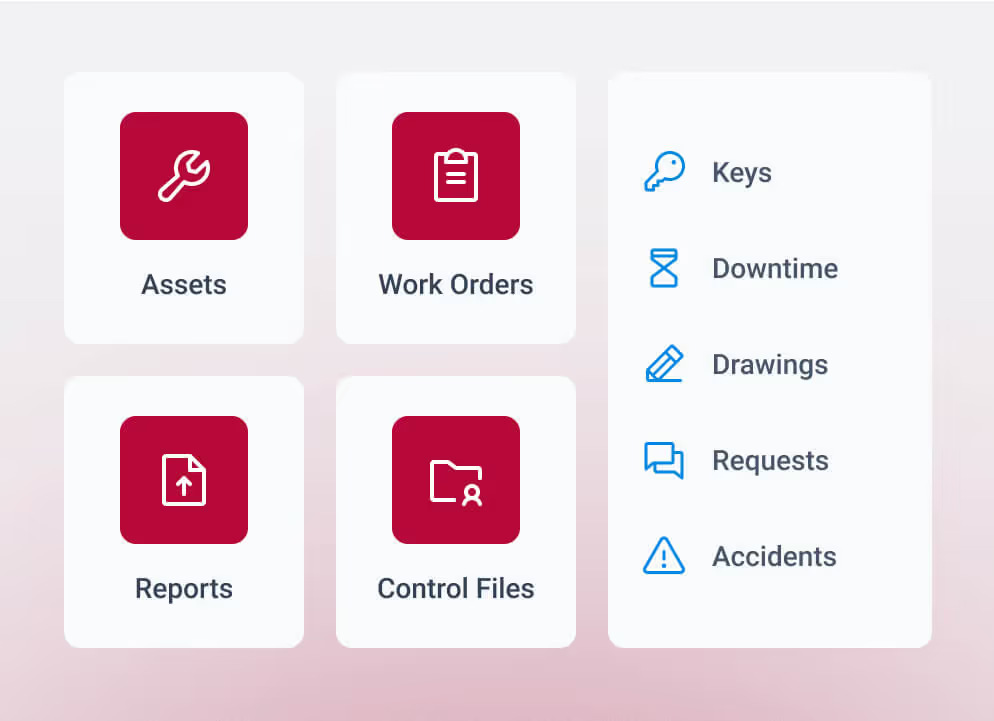
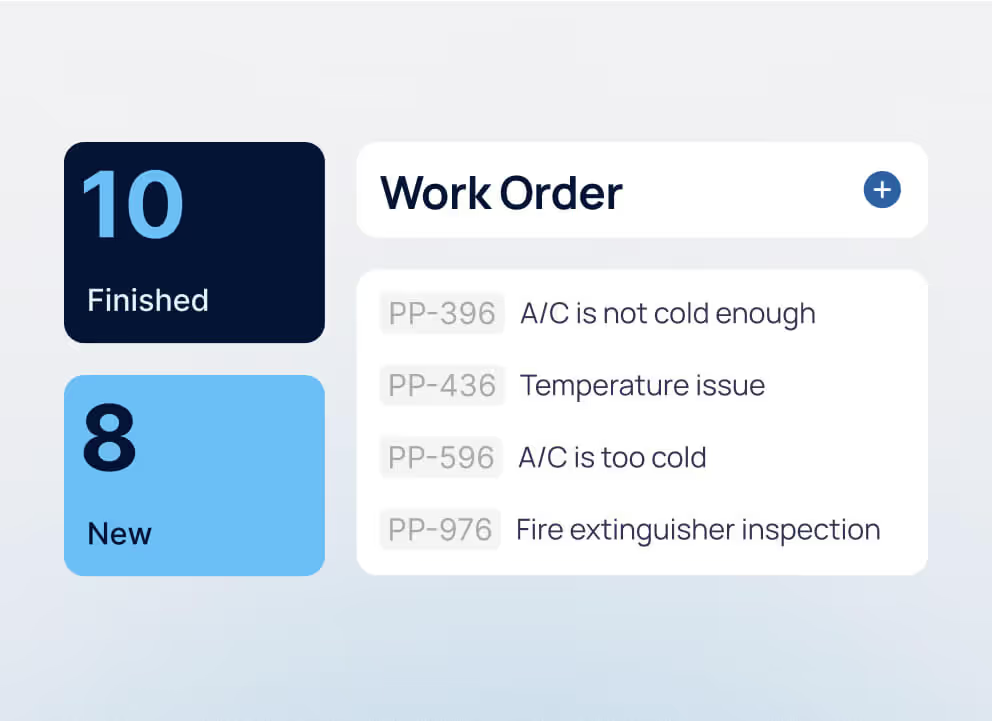
TMA Systems can be your trusted partner in this journey. With our cutting-edge solution, WebTMA, and extensive experience in maintenance management, we offer a comprehensive suite of tools designed to streamline maintenance processes and optimize asset performance.
Our user-friendly software enables organizations to:
- Monitor equipment performance
- Schedule preventive maintenance
- Track asset reliability
- Predict potential failures
- Improve maintenance planning
By focusing on proactive maintenance, we help organizations increase the MTBF of critical assets, minimize costly downtime, and improve overall reliability.
Benefits of a Successful MTBF Program
Organizations that implement and maintain an effective MTBF program can achieve:
- Reduced unplanned downtime
- Improved asset reliability
- Lower maintenance costs
- Increased equipment lifespan
- Improved productivity
- Better resource allocation
- Increased operational efficiency
Implementing an MTBF program requires a combination of planning, data analysis, preventive maintenance, condition monitoring, employee training, and continuous improvement.
By identifying critical equipment, understanding historical performance, proactively maintaining assets, and addressing root causes of failure, organizations can significantly improve equipment reliability and reduce costly downtime. A well-executed MTBF strategy helps maintenance teams move from reactive maintenance to a more proactive and data-driven approach, ultimately supporting long-term operational success.
Related resources
From ideas to impact
You’ve read the insights, now see how TMA Systems helps teams put them into practice.