
The importance of regular calibration for industrial equipment
In this post
%20(1).avif)
.avif)
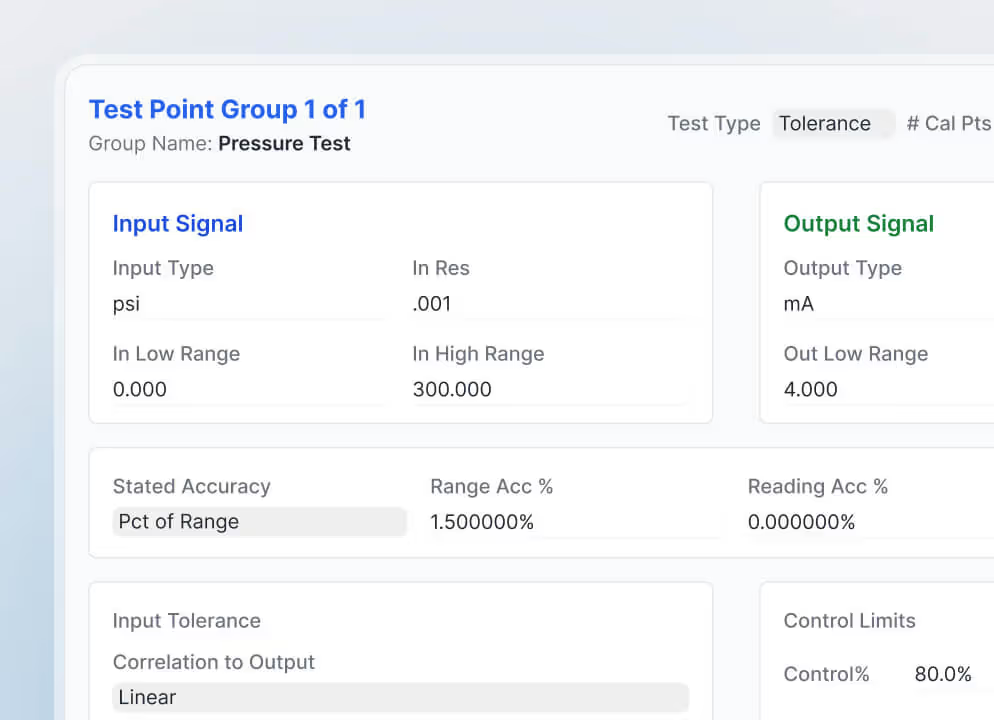

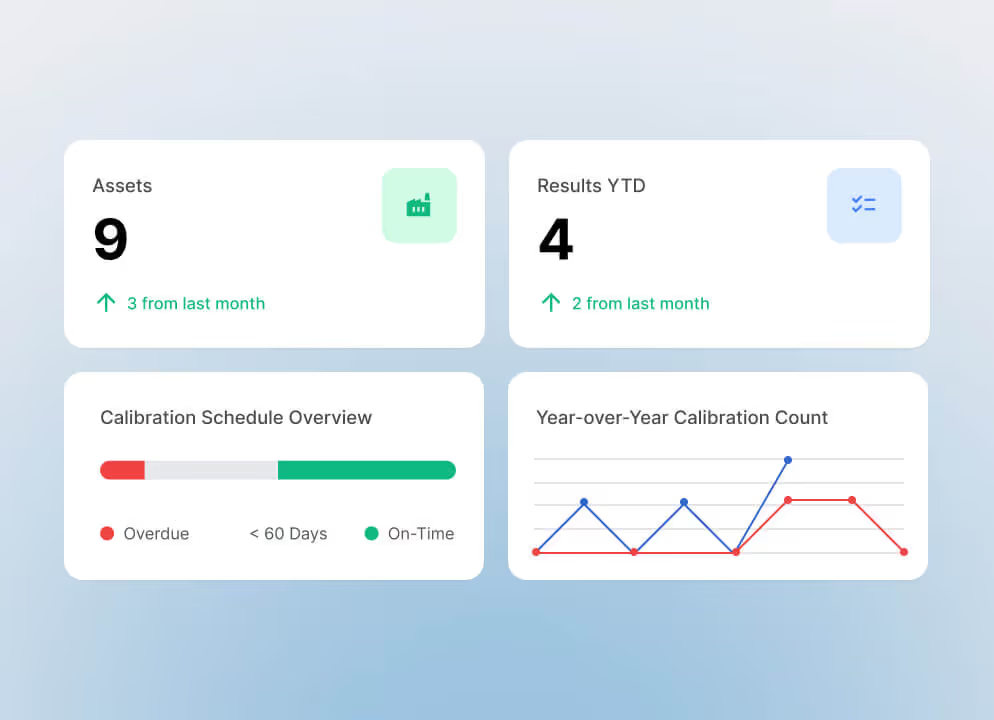

Calibration is a critical process for ensuring the accuracy and precision of measuring devices, instruments, and equipment used across industries such as manufacturing, pharmaceuticals, and energy. Regular calibration helps verify that equipment is operating correctly, supports compliance with industry standards, and can contribute to extending the overall lifespan of assets.
Accuracy and compliance
Regular calibration helps confirm that equipment operates within specified tolerances, reducing the risk of measurement errors and improving the quality of products and services.
Calibration is also essential for maintaining compliance with industry standards and regulations, including those established by organizations such as:
- ISO (International Organization for Standardization)
- NIST (National Institute of Standards and Technology)
Failure to calibrate equipment according to established requirements can increase compliance risks and may result in penalties, audit findings, or other regulatory consequences.
Efficiency and uptime
Regular calibration can help organizations identify performance issues before they affect operations. By maintaining equipment accuracy and reliability, businesses can reduce unplanned downtime and improve overall operational efficiency.
Well-maintained and properly calibrated equipment is less likely to experience unexpected failures, helping teams maintain productivity and avoid disruptions to critical processes.
Preventive maintenance and equipment lifespan
Calibration is an important component of an effective preventive maintenance program. Routine calibration helps organizations identify developing issues early, allowing corrective actions to be taken before small problems become costly repairs or equipment replacements.
Benefits of incorporating calibration into preventive maintenance programs include:
- Improved equipment reliability
- Earlier detection of performance issues
- Reduced repair costs
- Extended equipment lifespan
- Better overall asset management
The risks of neglecting calibration
Despite the benefits, some organizations still treat calibration as a reactive activity rather than a proactive process.
When calibration is overlooked, organizations may experience:
- Measurement inaccuracies
- Reduced product quality
- Increased operational costs
- Equipment reliability issues
- Regulatory compliance risks
- Audit findings and penalties
Small measurement errors can have significant consequences, particularly in highly regulated industries where precision and traceability are critical.
Why reegular calibration matters
Calibration is more than a quality assurance activity. It is a foundational practice that supports operational excellence, compliance, and long-term equipment performance.
Organizations that maintain a structured calibration program can benefit from:
- More accurate measurements
- Improved product and service quality
- Greater regulatory compliance
- Increased equipment uptime
- Better preventive maintenance outcomes
- Reduced operational risk
Regular calibration is a critical aspect of equipment maintenance and quality management. It helps ensure measurement accuracy, supports compliance with industry standards, improves operational efficiency, and contributes to extending equipment life.
By making calibration a routine part of maintenance operations, organizations can reduce risk, improve reliability, and maintain confidence in the performance of their equipment and processes.
Related resources
From ideas to impact
You’ve read the insights, now see how TMA Systems helps teams put them into practice.