
Streamlining equipment calibration management with maintenance software
In this post
%20(1).avif)
.avif)
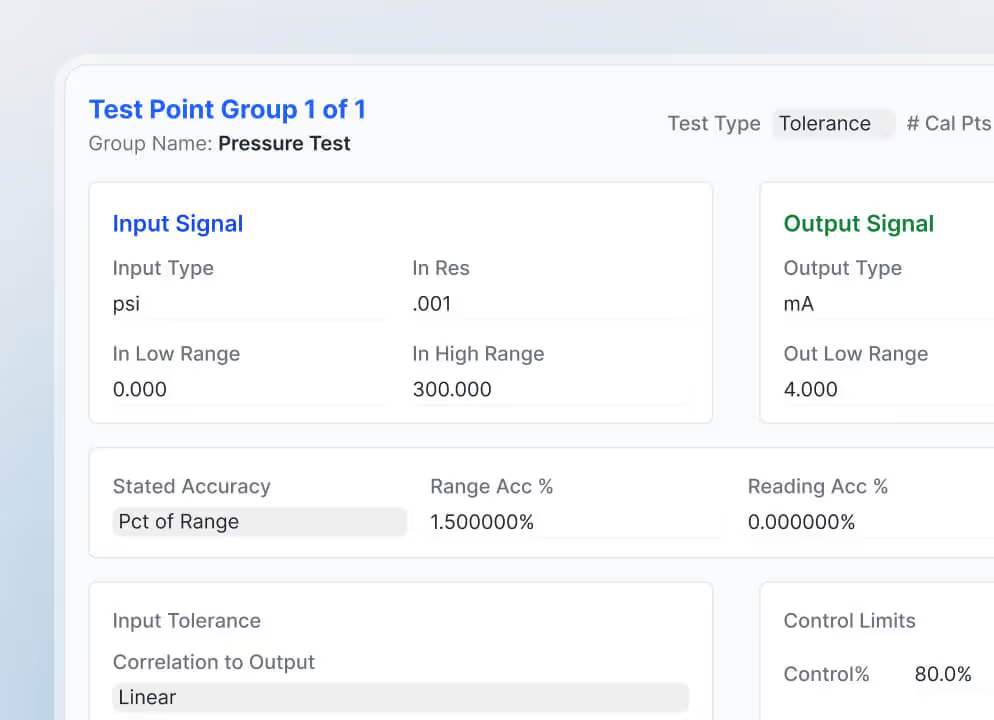

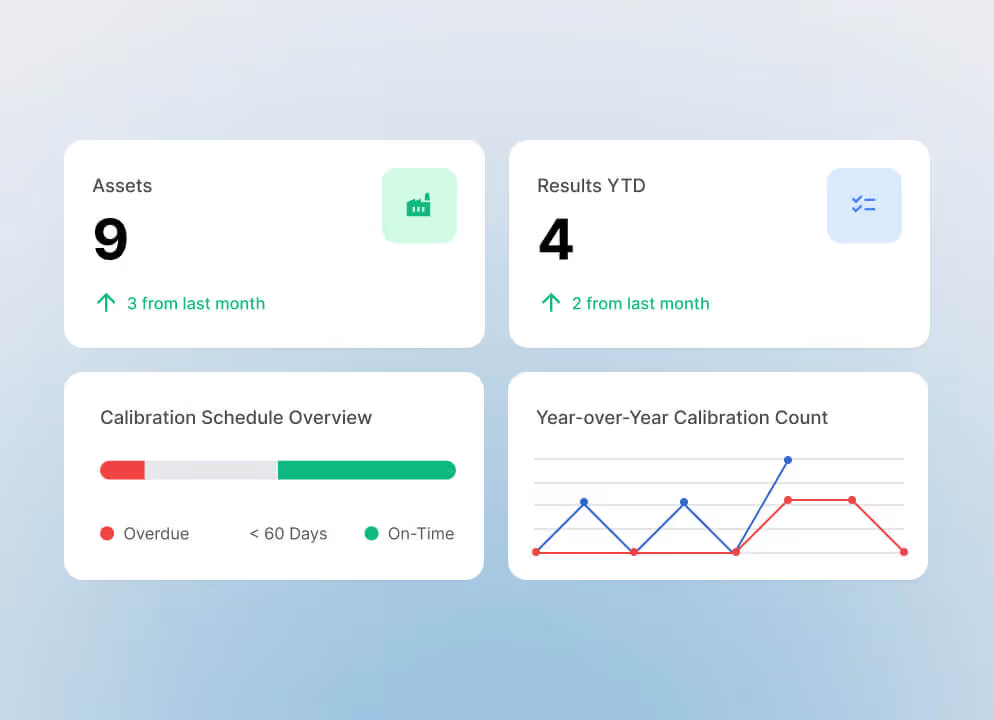

Equipment calibration is a critical part of maintaining the accuracy, reliability, and performance of industrial and laboratory equipment. Calibration involves adjusting and verifying equipment performance to ensure it meets required specifications and operating standards.
For organizations managing large numbers of instruments and devices, calibration management can quickly become a complex and time-consuming task. Scheduling calibrations, tracking asset histories, maintaining records, and ensuring compliance can place a significant administrative burden on teams.
One way organizations address these challenges is through equipment calibration management and maintenance software.
What is equipment calibration management software?
Equipment calibration management software helps organizations automate and manage calibration activities throughout the asset lifecycle. Rather than relying on spreadsheets, paper records, or manual processes, organizations can centralize calibration and maintenance activities in a single system.
These solutions help streamline scheduling, tracking, reporting, and compliance management while providing greater visibility into equipment performance.
Key features of calibration management software
Most calibration management systems include features designed to simplify asset and calibration management, such as:
Equipment and calibration database
A centralized database stores key information for each asset, including:
- Manufacturer
- Model number
- Serial number
- Calibration history
- Calibration due dates
- Asset status
Having all equipment information in one location improves visibility and simplifies record management.
Calibration scheduling and planning
Calibration software typically includes scheduling tools that allow organizations to:
- View upcoming calibration activities
- Schedule future calibrations
- Reschedule activities as needed
- Track overdue events
A calendar-based view makes it easier to manage workloads and ensure critical assets remain compliant.
Automated notifications and reminders
Automated alerts help reduce the risk of missed calibrations by notifying users when:
- Calibrations are approaching
- Equipment becomes overdue
- Certificates are about to expire
- Corrective actions require attention
These reminders support compliance and help maintain equipment reliability.
Reporting and analytics
Calibration management software often includes reporting and analytics capabilities that provide insights into:
- Calibration status
- Equipment performance
- Compliance readiness
- Asset reliability
- Calibration history
These insights help organizations make informed decisions about maintenance, replacement, and resource allocation.
Beyond calibration: maintenance management capabilities
Many modern calibration management solutions extend beyond calibration and include maintenance management functionality.
These capabilities may include:
- Preventive maintenance scheduling
- Work order management
- Equipment repair tracking
- Asset replacement planning
- Inventory management
- Parts and supply tracking
- Purchasing support
Combining calibration and maintenance management in a single system provides a more complete view of asset performance and health.
Benefits of calibration management software
Implementing calibration management software can help organizations improve both operational efficiency and compliance.
Common benefits include:
- Improved compliance: Automated recordkeeping and audit trails help organizations meet industry standards and regulatory requirements more easily.
- Reduced administrative work: Automation eliminates many of the manual tasks associated with scheduling, tracking, documenting, and reporting calibration activities.
- Increased equipment reliability: Regularly scheduled calibrations and maintenance activities help ensure equipment continues to perform as expected.
- Reduced downtime: By proactively managing calibration and maintenance requirements, organizations can reduce unexpected equipment failures and disruptions.
- Better visibility into asset performance: Centralized reporting and analytics provide valuable insights into asset condition, calibration history, and operational trends.
Equipment calibration management and maintenance software provides organizations with a powerful way to manage assets, streamline calibration processes, and support compliance requirements. By automating scheduling, tracking, documentation, and reporting, these solutions reduce administrative effort while improving accuracy and visibility.
Organizations that implement calibration management software can improve equipment reliability, reduce downtime, strengthen compliance initiatives, and gain better control over their calibration and maintenance programs. As equipment fleets grow and regulatory expectations increase, digital calibration management solutions continue to play an increasingly important role in supporting efficient and compliant operations.
Related resources
From ideas to impact
You’ve read the insights, now see how TMA Systems helps teams put them into practice.