
Predictive maintenance for equipment calibration: A guide to maximizing uptime and quality assurance
In this post
%20(1).avif)
.avif)
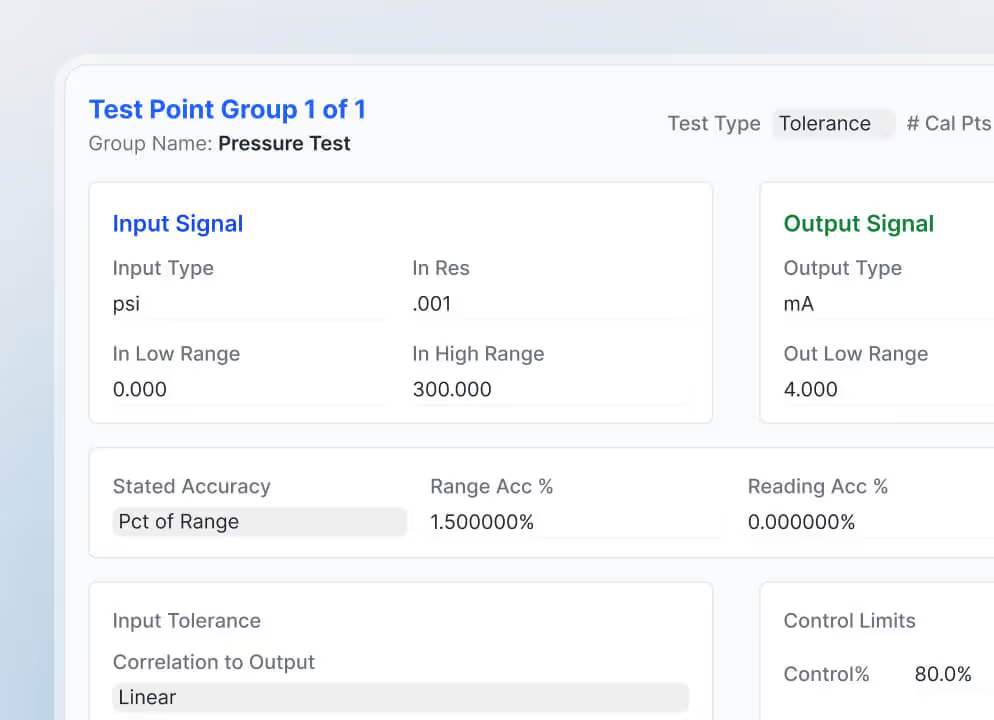

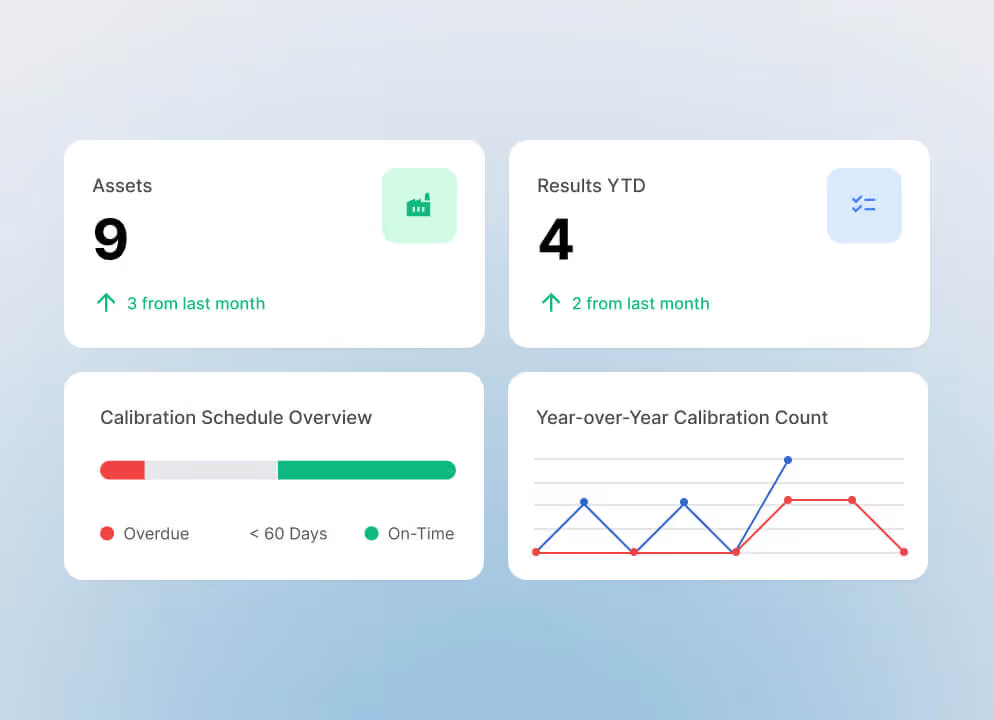

Effective equipment calibration is critical for maintaining product quality, operational efficiency, and regulatory compliance. However, traditional calibration practices can be time-consuming and may contribute to unexpected downtime, inconsistent results, and increased maintenance costs.
Predictive maintenance offers a more proactive, data-driven approach to equipment calibration. By using equipment performance data and analytics, organizations can identify potential issues before they impact operations, helping maximize uptime and improve quality assurance.
In this article, we'll explore what predictive maintenance is, how it supports calibration programs, and the benefits it can deliver.
What is predictive maintenance?
Predictive maintenance is a proactive maintenance strategy that uses data and analytics to identify when equipment is likely to experience performance issues or failure.
Unlike reactive maintenance, which addresses problems only after equipment fails, predictive maintenance focuses on identifying warning signs early so corrective action can be taken before a breakdown occurs.
Predictive maintenance programs typically rely on:
- Equipment performance data
- Sensor readings
- Operating conditions
- Historical maintenance records
- Advanced analytics
By continuously monitoring equipment performance, organizations can better understand asset health and make more informed maintenance decisions.
How predictive maintenance supports equipment calibration
In calibration programs, predictive maintenance involves collecting and analyzing information related to instrument performance and calibration history.
This data may include:
- Operating conditions
- Calibration results
- As-found and as-left readings
- Equipment usage patterns
- Environmental influences
- Historical performance trends
By evaluating this information over time, organizations can identify patterns that may indicate future calibration issues.
For example, calibration records may show that a specific instrument consistently drifts outside acceptable tolerances before its next scheduled calibration. Analyzing these trends can help maintenance teams adjust calibration intervals, investigate root causes, or schedule corrective actions before measurement accuracy is affected.
Organizations can also compare performance across different equipment models, manufacturers, or operating environments to better understand reliability and risk.
Benefits of predictive maintenance for equipment calibration
Implementing predictive maintenance within a calibration program offers several advantages over traditional calendar-based approaches.
Increased uptime
Predictive maintenance helps identify potential issues before they lead to equipment failure.
By addressing developing problems early, organizations can reduce unexpected downtime and keep critical equipment operating reliably.
Improved quality assurance
When instruments consistently operate within specified tolerances, organizations can maintain greater confidence in measurement accuracy.
Predictive maintenance helps support quality assurance by identifying performance concerns before they affect production processes, testing activities, or product quality.
Cost savings
Unexpected equipment failures often result in costly repairs, emergency maintenance activities, and production interruptions.
Predictive maintenance helps reduce these expenses by allowing organizations to address issues before they become major failures. Improved calibration efficiency can also help reduce the overall cost of maintaining measurement systems.
Better resource allocation
Not every asset requires the same level of attention.
Predictive maintenance enables organizations to prioritize maintenance and calibration activities based on actual equipment condition and performance data. This helps maintenance teams focus their efforts where they provide the most value while reducing unnecessary work on assets that continue to perform within acceptable limits.
Building a more proactive calibration program
As organizations collect more calibration and asset performance data, they gain opportunities to move beyond fixed calibration schedules and toward more intelligent, risk-based calibration strategies.
Predictive approaches can help organizations:
- Identify equipment at higher risk of drift or failure
- Optimize calibration intervals
- Improve maintenance planning
- Reduce unnecessary calibrations
- Strengthen compliance and audit readiness
- Improve overall asset reliability
The result is a calibration program that is more efficient, data-driven, and aligned with operational goals.
Predictive maintenance is transforming the way organizations approach equipment calibration. By leveraging equipment data, calibration history, and performance trends, maintenance teams can identify potential issues before they impact operations.
This proactive approach helps improve uptime, strengthen quality assurance, reduce maintenance costs, and optimize resource allocation. As calibration programs become increasingly data-driven, predictive maintenance will continue to play an important role in helping organizations improve equipment performance, reliability, and operational efficiency.
Organizations looking to modernize their calibration programs should consider how predictive maintenance strategies can complement existing calibration processes and support long-term operational success.
Related resources
From ideas to impact
You’ve read the insights, now see how TMA Systems helps teams put them into practice.