
Calibration data analytics: Leveraging software for better insights
In this post
%20(1).avif)
.avif)
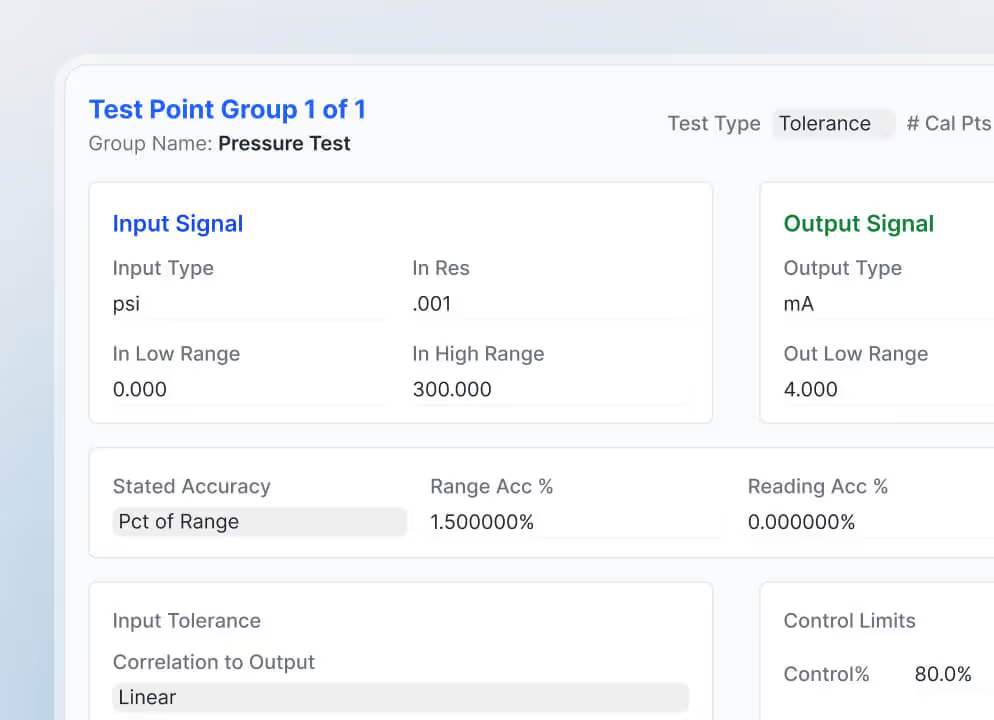

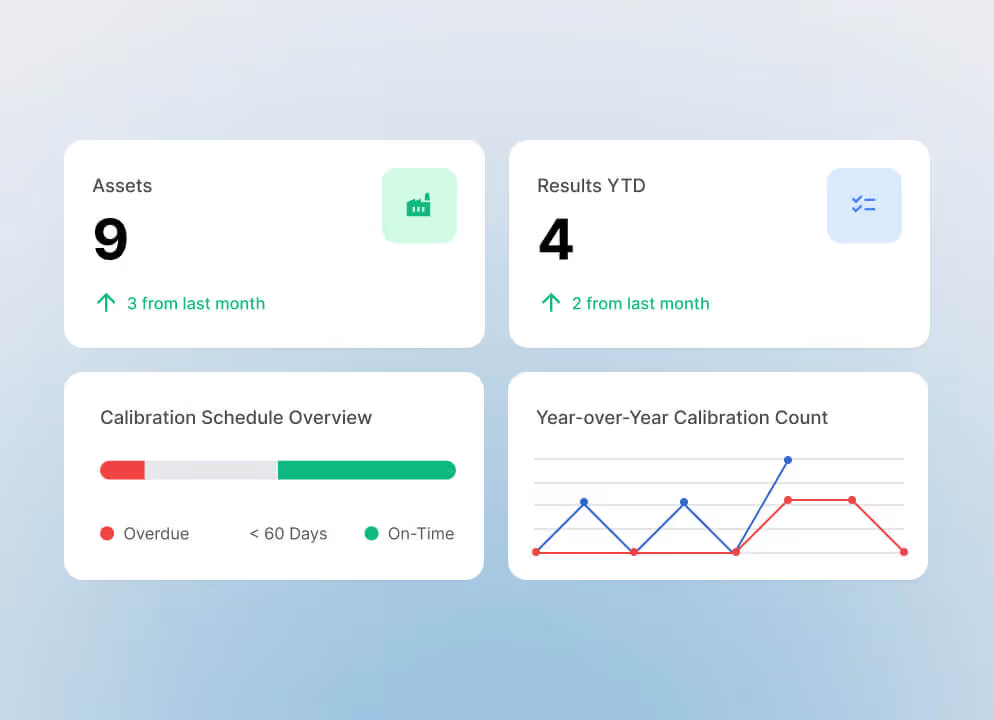

Calibration is a fundamental aspect of many industries, including pharmaceuticals, aerospace, automotive, energy, and manufacturing. Ensuring that instruments and equipment are properly calibrated is essential for maintaining product quality, operational safety, and regulatory compliance.
Inaccurate measurements can lead to defective products, increased costs, production inefficiencies, and safety risks. As organizations continue to collect more operational data, calibration data analytics has emerged as a powerful way to improve calibration programs and gain greater value from calibration activities.
What Is calibration data analytics?
Calibration data analytics is the practice of using data analysis techniques and software tools to gain deeper insights from calibration data.
This may include analyzing information such as:
- Temperature measurements
- Pressure readings
- Flow rates
- Instrument performance data
- Calibration histories
- Tolerance trends
Rather than simply verifying measurement accuracy, calibration data analytics helps organizations identify patterns, trends, and opportunities for improvement. These insights support better decision-making, improved processes, reduced costs, and enhanced product quality.
Benefits of using software for calibration data analytics
Improved accuracy and precision
Calibration software helps ensure instruments and equipment are calibrated consistently and accurately.
Benefits include:
- Reduced risk of human error
- Automated calibration workflows
- Standardized procedures
- Automated recalibration alerts
- More reliable measurements
By improving accuracy and consistency, organizations can maintain greater confidence in their measurement systems.
Cost savings
Using software to manage and analyze calibration data can help reduce costs associated with:
- Manual recordkeeping
- Paper-based processes
- Administrative tasks
- Equipment downtime
- Calibration inefficiencies
These savings often extend beyond the calibration department and contribute to broader operational improvements.
Increased time efficiency
Calibration software streamlines the calibration process and reduces the time required to perform calibration activities.
Advantages include:
- Faster data collection
- Automated reporting
- Reduced administrative effort
- Quicker access to historical records
- Faster identification of trends and issues
This allows organizations to respond more quickly to performance concerns and maintain efficient operations.
Enhanced compliance and documentation
Maintaining complete and accurate calibration records is critical in many regulated industries.
Calibration software helps organizations:
- Maintain detailed calibration histories
- Create audit-ready documentation
- Support regulatory compliance
- Improve record traceability
- Strengthen data integrity
Comprehensive documentation not only simplifies audits but also reinforces an organization's commitment to quality and precision.
Implementing calibration data analytics
Identify calibration requirements
Before implementing calibration data analytics, organizations should evaluate their calibration requirements and objectives.
This includes identifying:
- Critical instruments and assets
- Regulatory obligations
- Key measurement parameters
- Business goals for calibration management
A clear understanding of these requirements provides the foundation for a successful implementation.
Training and iontegration
Once a calibration software solution has been selected, organizations should focus on:
- User training
- Process alignment
- System integration
- Change management
Ensuring personnel understand how to use the software effectively is essential for maximizing its benefits.
Establish best practices
To gain the most value from calibration data analytics, organizations should establish consistent processes for:
- Data collection
- Data analysis
- Reporting
- Record management
- Procedure reviews
Regular review of calibration procedures and software performance helps ensure the system continues to support operational and compliance goals.
Selecting the right software solution
Choosing the right calibration management software is a critical decision that can significantly impact operational success.
Important factors to evaluate include:
- Compatibility with existing systems
- Scalability
- Ease of use
- Reporting capabilities
- Integration options
- Compliance support
- Customization capabilities
The ideal solution should align with current requirements while also supporting future growth and evolving business needs.
Calibration data analytics is transforming how organizations manage calibration programs. By leveraging modern software solutions, organizations can move beyond basic calibration recordkeeping and gain meaningful insights into equipment performance, measurement reliability, and operational efficiency.
From improving accuracy and compliance to reducing costs and increasing productivity, calibration data analytics provides significant benefits across a wide range of industries. Organizations that adopt data-driven calibration management practices are better positioned to improve decision-making, optimize resources, and maintain consistently high levels of quality and performance.
Related resources
From ideas to impact
You’ve read the insights, now see how TMA Systems helps teams put them into practice.