
10 Best practices for implementing CMS in your enterprise
In this post
%20(1).avif)
.avif)
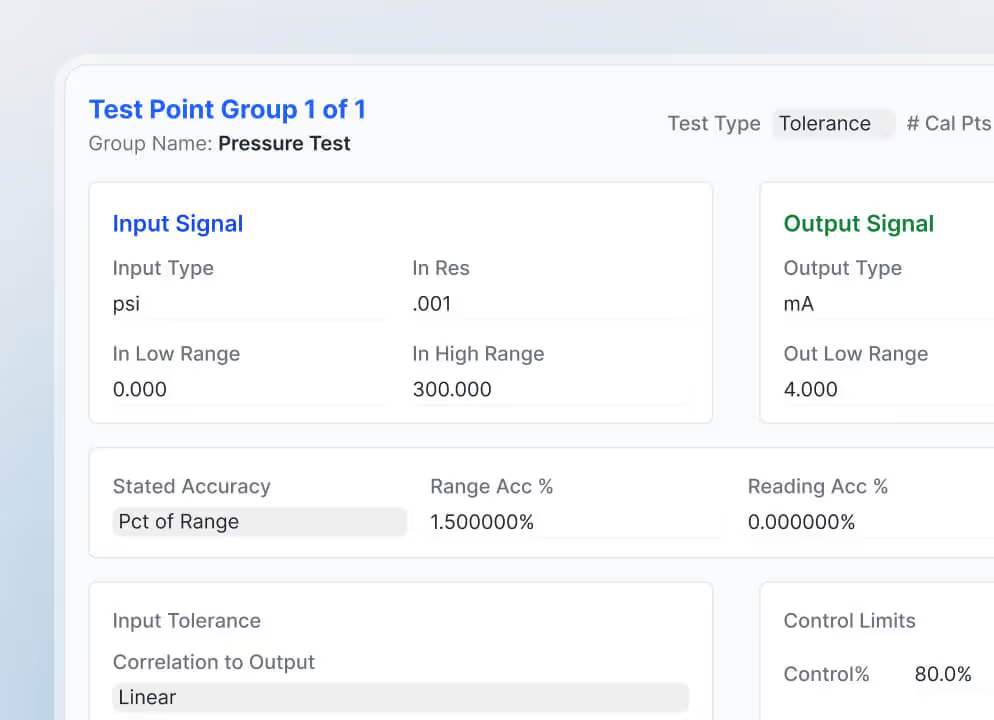

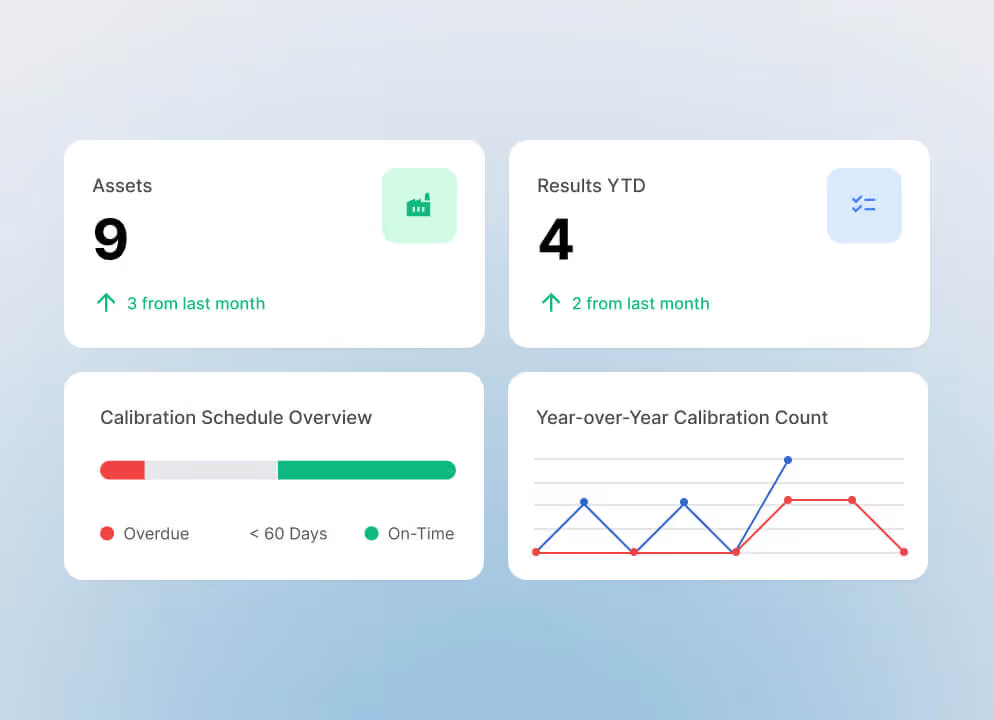

From healthcare to manufacturing, calibration management is essential across a wide range of industries. Proper equipment calibration helps ensure accurate and consistent performance, leading to higher product quality, regulatory compliance, and improved operational efficiency.
To manage calibration activities more effectively, many organizations are turning to calibration management software (CMS). CMS helps organizations schedule, track, and manage calibrations more efficiently through automation and centralized data management. However, selecting the right software is only the first step. Organizations must also prepare for implementation through careful planning and stakeholder engagement to maximize value.
10 Best practices for implementing calibration management software
1. Define your goals
Before implementing a calibration management system, clearly define your objectives.
Ask questions such as:
- What do you want to achieve with the software?
- What challenges are you trying to solve?
- What outcomes do you expect?
Having clear goals will help guide software selection and ensure your implementation supports business priorities.
2. Evaluate your needs
Take time to assess your organization's calibration requirements.
Consider factors such as:
- Number of assets
- Complexity of calibration processes
- Regulatory requirements
- Desired level of automation
Understanding your needs will help ensure you select a solution that aligns with your operations.
3. Involve stakeholders
Calibration management affects multiple teams across the organization, including:
- Technicians
- Quality assurance personnel
- Compliance teams
- Maintenance staff
- Management
Including stakeholders early in the decision-making process helps identify requirements, address concerns, and improve user adoption.
4. Train your staff
Effective training is critical to a successful implementation.
Training should cover:
- Software functionality
- Calibration procedures
- Best practices
- Reporting processes
- Compliance requirements
Well-trained employees are more likely to use the system correctly and consistently, reducing the risk of costly mistakes.
5. Develop standard procedures
Establishing standard operating procedures (SOPs) helps ensure consistency across calibration activities.
These procedures should define:
- Calibration intervals
- Acceptance criteria
- Documentation requirements
- Reporting standards
- Approval workflows
Standardized processes improve accuracy, consistency, and compliance.
6. Establish data management practices
Accurate calibration records are essential for both operational and compliance purposes.
Data management practices should address:
- Data entry standards
- Data validation procedures
- Record retention requirements
- Data storage and security
Strong data governance helps ensure records remain accurate, complete, and audit-ready.
7. Conduct regular audits
Periodic audits help verify that calibration processes remain aligned with applicable standards and regulations.
Audits can help organizations maintain compliance with requirements such as:
- ISO 9001
- ISO/IEC 17025
- FDA regulations
Regular reviews also help identify opportunities for process improvement.
8. Create a calibration schedule
A structured calibration schedule helps ensure equipment is calibrated on time and remains within required tolerances.
An effective schedule should include:
- Upcoming calibration dates
- Automated reminders
- Escalation procedures for overdue equipment
- Resource planning for calibration activities
Maintaining a consistent schedule helps improve reliability and operational performance.
9. Monitor performance
After implementation, monitor how the software is performing against your objectives.
Useful metrics may include:
- Number of calibrations completed
- Calibration cycle times
- Overdue calibrations
- Compliance rates
- Equipment performance trends
Tracking performance helps identify opportunities to optimize both the software and calibration processes.
10. Focus on continuous improvement
Calibration management should be viewed as an ongoing process rather than a one-time implementation.
Organizations should regularly:
- Review workflows
- Update procedures
- Evaluate software performance
- Adapt to changing regulations
- Incorporate lessons learned
Continuous improvement helps ensure calibration programs remain efficient, compliant, and aligned with evolving business needs.
Why successful CMS implementation matters
A well-planned calibration management software implementation can help organizations:
- Improve calibration accuracy
- Reduce administrative effort
- Increase operational efficiency
- Strengthen compliance efforts
- Improve audit readiness
- Enhance data visibility
- Reduce equipment downtime
The combination of standardized processes, automation, and centralized data management creates a more effective calibration program.
Implementing calibration management software requires more than simply purchasing a solution. Success depends on careful planning, stakeholder involvement, effective training, and ongoing process improvement.
By following best practices such as defining objectives, establishing procedures, managing data effectively, and continuously monitoring performance, organizations can maximize the value of their calibration management system and create a stronger foundation for quality, compliance, and operational excellence.
Related resources
From ideas to impact
You’ve read the insights, now see how TMA Systems helps teams put them into practice.