
Benefits of calibration management software in manufacturing
In this post
%20(1).avif)
.avif)


Ensuring equipment operates smoothly, accurately, and efficiently is critical to maintaining successful manufacturing operations. Minimizing disruptions, maintaining product quality, and protecting equipment performance are all essential priorities for manufacturers.
When equipment is not properly calibrated, the consequences can be significant. Poorly performing instruments can compromise production quality, increase rejection rates, drive up operational costs, create production delays, and damage a company's reputation over time.
For example, if an assembly line consistently produces components that fail to meet quality standards, the impact extends beyond material waste. Product quality issues can affect customer satisfaction, compliance requirements, and overall business performance. This is why effective calibration management is so important.
Given the large number of instruments, tools, and devices that manufacturers must manage, specialized calibration management software (CMS) can make a significant difference.
Benefits of calibration management software
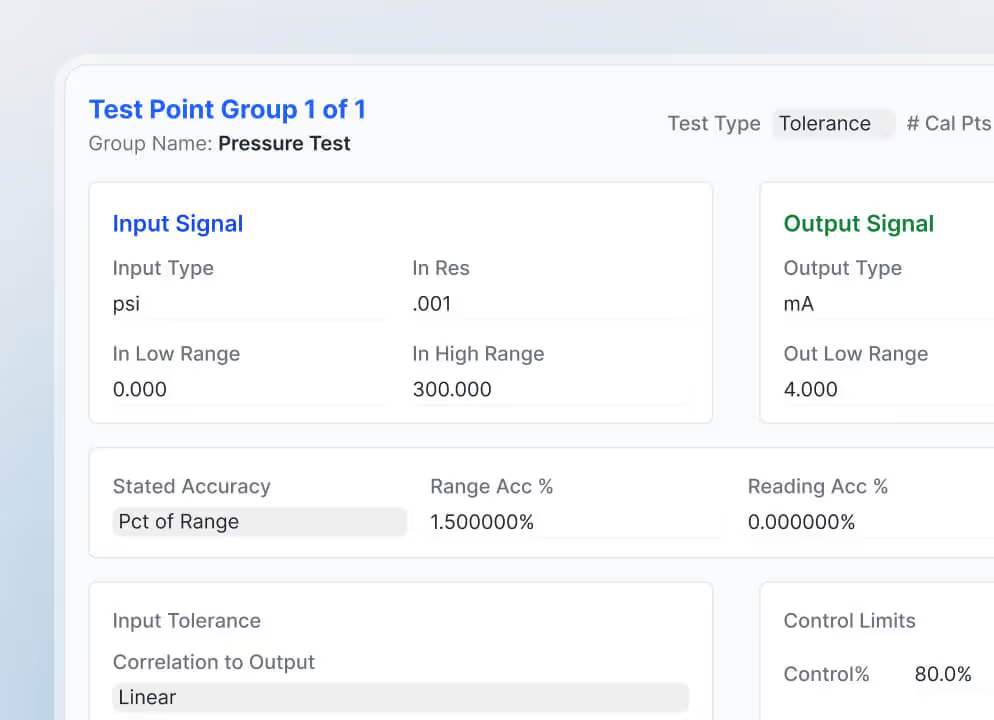
Calibration management software helps automate and streamline calibration activities while supporting quality control and equipment reliability. By leveraging standardized measurement processes and data-driven insights, manufacturers can proactively manage calibration requirements and support preventive maintenance programs.
Efficiency and productivity
Calibration management software automates many manual processes, including:
- Scheduling calibration activities
- Tracking calibration status
- Managing documentation
- Maintaining calibration records
Automation reduces administrative effort, minimizes data-entry errors, and saves valuable time. Technicians can quickly access calibration histories and equipment records from a centralized database, allowing them to focus on higher-value tasks.
Accuracy and compliance
Improperly calibrated equipment can lead to more than defective products. It can create significant safety risks and expose organizations to compliance issues.
Calibration management software helps reduce these risks by ensuring equipment is calibrated on schedule and according to established requirements. Features such as automated alerts, reminders, and status tracking help organizations maintain compliance with industry standards, regulatory requirements, and quality programs.
Audit management
A CMS provides a complete audit trail for calibration-related activities.
This visibility allows manufacturers to quickly answer critical questions, including:
- Who performed the calibration?
- When was it completed?
- What equipment was serviced?
- What results were recorded?
Having comprehensive records readily available simplifies audits and supports quality management initiatives.
Data management and analysis
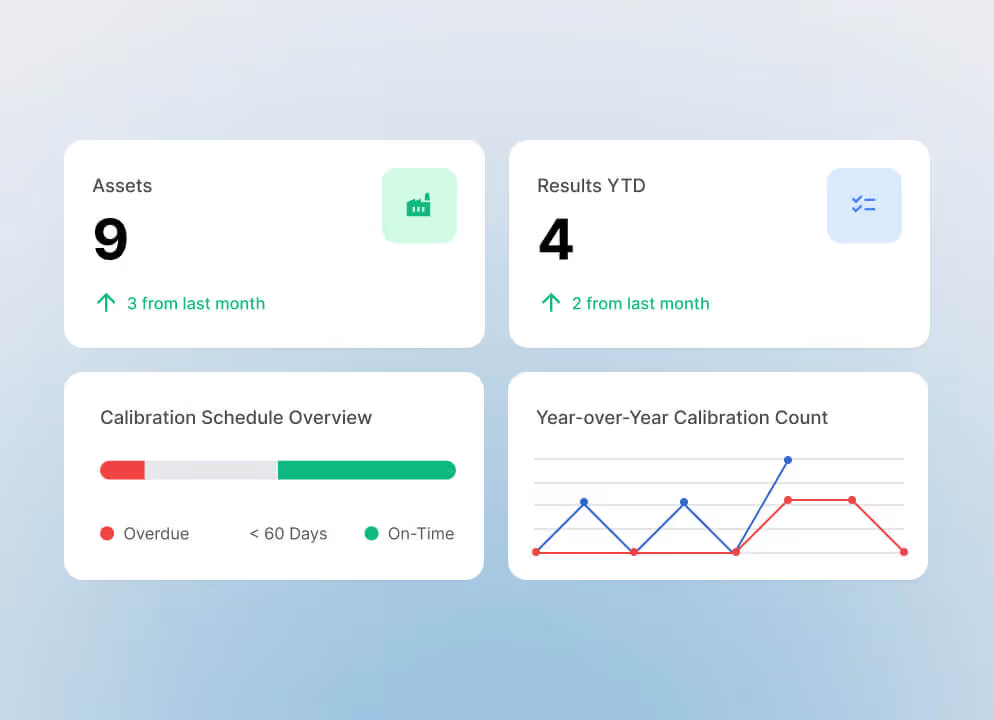
Calibration management software centralizes calibration information and makes it easier to analyze equipment performance over time.
Organizations can use reporting and analytics tools to:
- Monitor calibration performance
- Review historical trends
- Generate compliance reports
- Identify recurring issues
- Support corrective actions
Many calibration management solutions also integrate with maintenance management and asset management systems, creating a more connected operational environment.
Cost savings
A well-managed calibration program can help reduce costs in several ways.
Benefits may include:
- Reduced risk of compliance violations
- Fewer product quality issues
- Lower likelihood of recalls
- Reduced equipment downtime
- Extended equipment lifespan
- Improved labor efficiency through automation
By ensuring equipment remains properly calibrated, manufacturers can avoid many of the costs associated with unexpected failures and operational disruptions.
Why calibration matters in manufacturing
Calibration management is a foundational component of manufacturing quality and operational excellence.
A proactive calibration program helps manufacturers:
- Maintain product quality
- Improve equipment reliability
- Reduce downtime
- Support compliance initiatives
- Increase operational efficiency
- Protect brand reputation
As manufacturing operations become more data-driven and interconnected, calibration management software plays an increasingly important role in supporting consistent performance and long-term operational success.
Calibration management software helps manufacturers improve efficiency, strengthen compliance, simplify audits, and gain better visibility into equipment performance. By automating calibration processes and centralizing data, organizations can reduce risk, lower costs, and support higher-quality production outcomes.
For manufacturers looking to improve reliability, productivity, and quality assurance, calibration management software can serve as a valuable part of a broader asset and maintenance management strategy.
Related resources
From ideas to impact
You’ve read the insights, now see how TMA Systems helps teams put them into practice.