What healthcare teams should expect from modern maintenance software
In this post


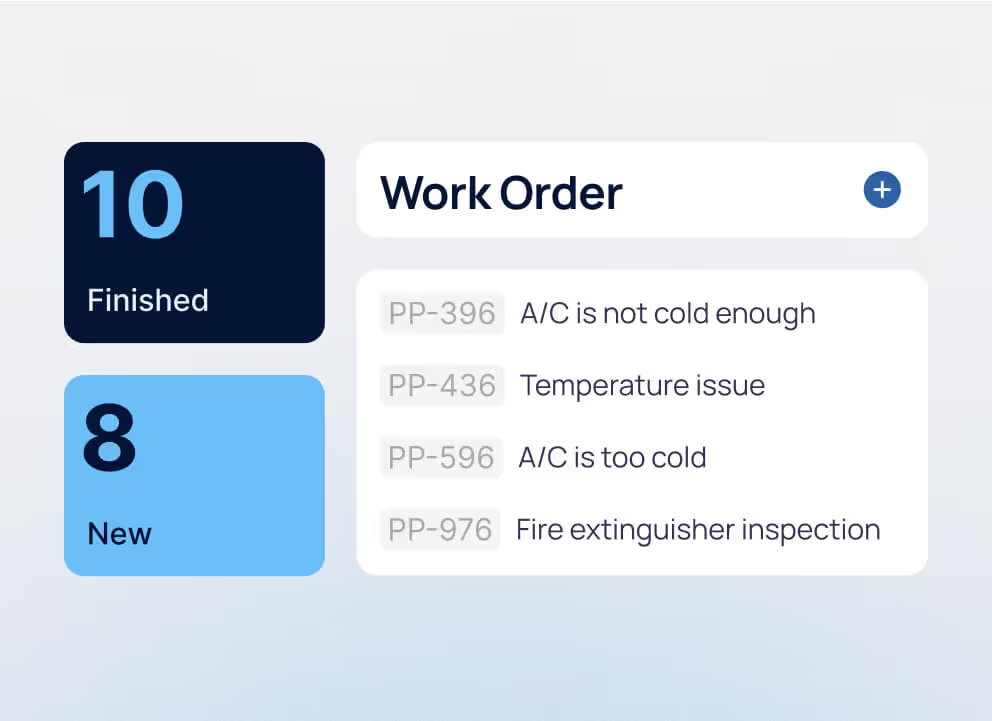

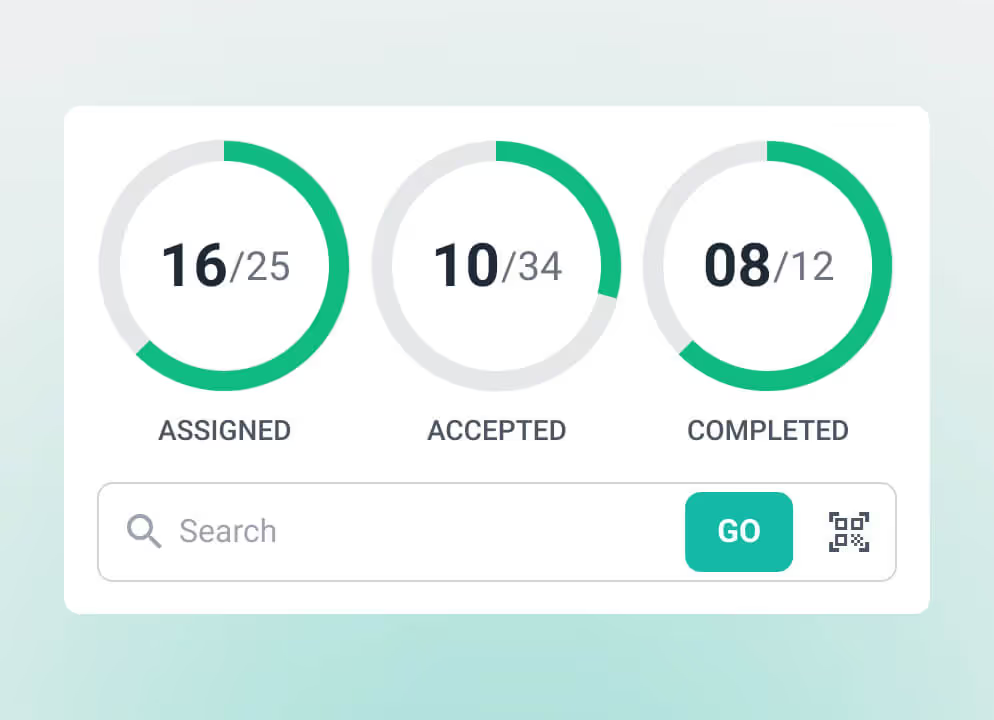

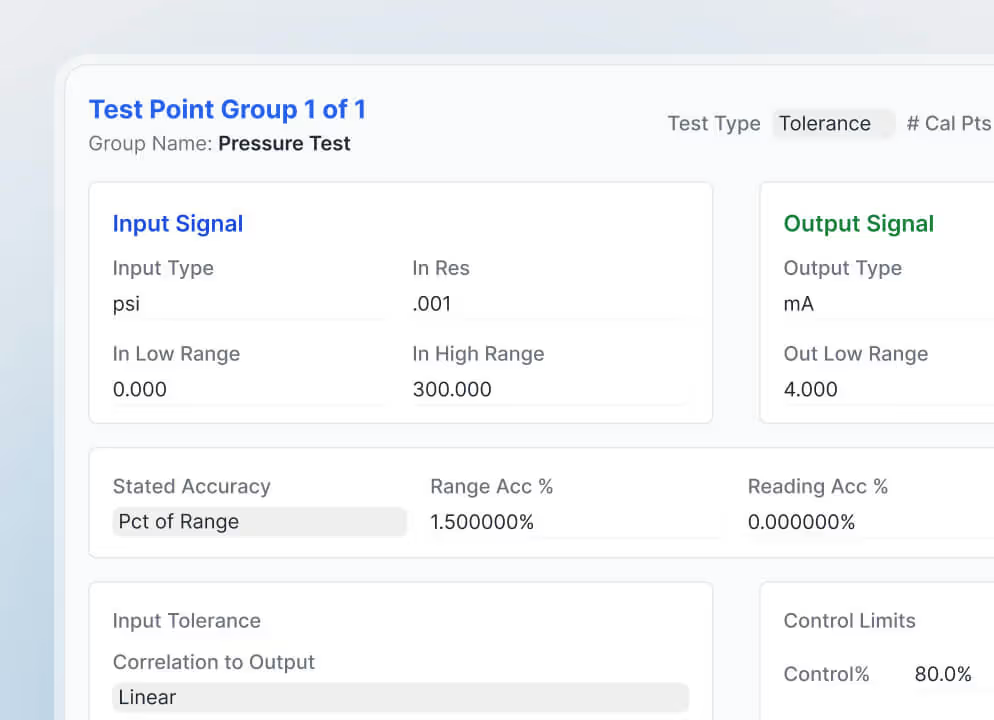

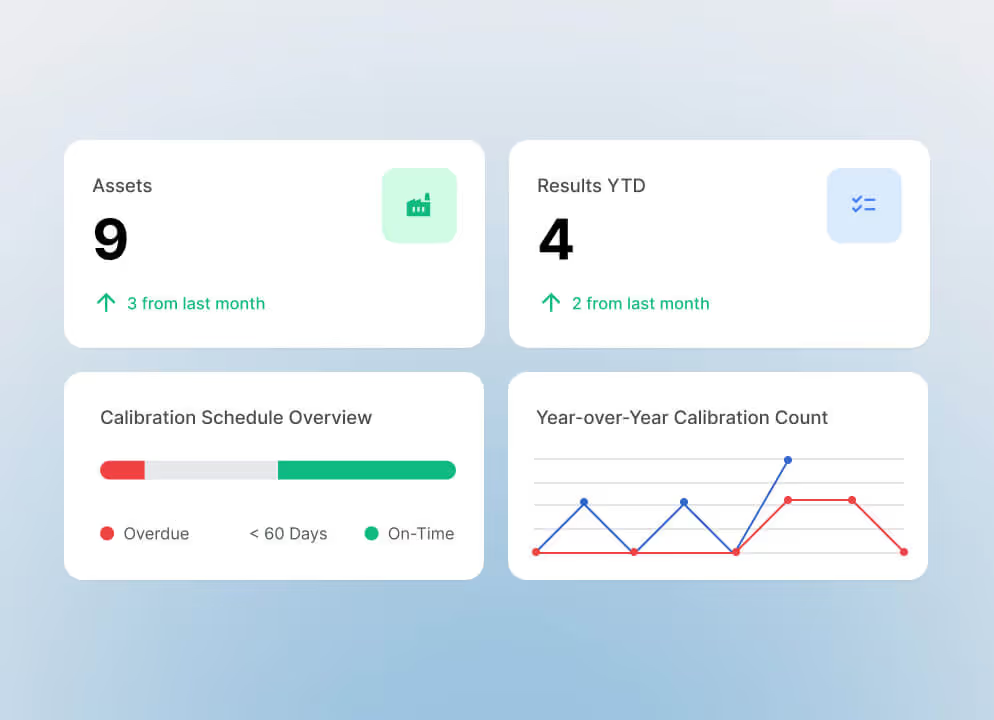


Healthcare organizations have long understood the importance of preventive maintenance, compliance documentation, and asset management. The challenge today is less about knowing what maintenance needs to be done and more about having immediate access to the information that proves it was completed.
Whether responding to accreditation surveys, preparing for audits, supporting leadership decisions, or managing day-to-day healthcare maintenance activities, facility and healthcare technology management (HTM) teams need reliable, accurate, and accessible maintenance data.
Modern healthcare facilities maintenance software helps organizations move beyond disconnected spreadsheets, paper-based records, and outdated systems by centralizing maintenance operations, compliance documentation, asset information, and reporting within a single platform.
This guide explores the capabilities healthcare organizations should expect from modern maintenance software and the signs that it may be time to modernize existing maintenance processes.
Why healthcare maintenance teams need more than preventive maintenance scheduling
Preventive maintenance remains a foundational component of healthcare maintenance programs, but today's healthcare organizations require much more than recurring work orders and maintenance calendars.
Maintenance teams are responsible for documenting completed work, tracking regulatory requirements, maintaining equipment histories, supporting accreditation readiness, and providing leadership teams with visibility into asset performance and operational risk.
Modern healthcare maintenance software supports these responsibilities by connecting maintenance activities with the data and documentation behind them. Instead of searching multiple systems to locate records, teams can access maintenance histories, inspection results, compliance documentation, and asset information from a centralized platform.
For healthcare organizations managing thousands of assets across hospitals, clinics, campuses, and departments, this visibility can significantly improve both operational efficiency and healthcare compliance readiness.
Core capabilities healthcare teams should expect from modern maintenance software
Healthcare maintenance software should support the full asset lifecycle while providing the visibility and documentation required to meet healthcare compliance requirements.
Healthcare teams can use the framework below to evaluate modern maintenance software and identify the capabilities that best support their operational, compliance, and asset management needs.
Centralized asset visibility
Modern maintenance software should provide a complete view of every asset throughout its lifecycle.
Maintenance personnel should be able to access asset locations, service histories, maintenance schedules, warranties, manuals, compliance records, and associated work orders through a unified view of the asset.
For healthcare facilities, this visibility extends beyond medical equipment to include HVAC systems, electrical infrastructure, generators, plumbing systems, fire protection systems, and other critical assets.
Centralized asset records help teams make informed decisions about repairs, replacements, and maintenance priorities.
Automated healthcare compliance tracking
Healthcare compliance often depends on documentation just as much as maintenance execution.
Modern maintenance platforms should automatically track maintenance schedules, retain completed work records, preserve audit trails, and maintain documentation necessary to support accreditation surveys and audits.
When surveyors request maintenance records, teams should be able to quickly retrieve:
- Maintenance histories
- Inspection records
- PM completion data
- Technician documentation
- Findings and corrective actions
The ability to immediately access this information reduces administrative effort and helps healthcare organizations maintain confidence in their compliance processes.

Real-time reporting and dashboards
Healthcare leadership teams increasingly rely on maintenance data to understand operational performance, risk, and resource needs.
Modern healthcare maintenance software should provide reporting tools that deliver visibility into:
- PM completion rates
- Overdue maintenance
- Backlog levels
- Asset downtime
- Failure trends
- Technician productivity
- Work order status
- Compliance performance
Real-time reporting allows managers to identify emerging issues before they affect patient care, operational continuity, or accreditation readiness.
Mobile access for healthcare maintenance teams
Healthcare maintenance happens throughout hospitals, clinics, and specialized treatment environments. Providing your technicians with the on-the-go tools they need to access information and complete work wherever maintenance is needed, helps keep critical equipment and environments ready for patient care.
To support this, healthcare maintenance software should provide mobile access to:
- Assigned work orders
- Asset information
- Maintenance procedures
- Inspection forms
- Documentation
- Photos and notes
For organizations managing large hospitals or multiple facilities, mobile access can improve both productivity and documentation accuracy.
Integration across systems
Healthcare maintenance data often needs to integrate with broader operational and business systems.
Modern healthcare maintenance platforms should support integration with technologies such as:
- Building automation systems (BAS)
- Enterprise Resource Planning (ERP) platforms
- Purchasing and procurement systems
- Human resources (HR) systems
- Identity and access management (IAM) solutions
- Financial management systems, and
- IoT/IoMT Security, Cyber-Physical Systems (CPS) Protection Platforms
These Integrations help eliminate duplicate data entry while creating better visibility across organizational operations, resulting in a central source of truth.
Signs your healthcare organization has outgrown its current maintenance solutions
Many healthcare organizations know they need better maintenance technology when they begin experiencing challenges with visibility, documentation, or reporting.
Common signs teams face include:
Survey preparation requires excessive manual effort
Teams should not spend days searching emails, spreadsheets, paper records, and shared drives to prepare for audits or accreditation surveys.
If information gathering becomes a significant project, modernization may be necessary.
Reporting is reactive instead of preventive
Leaders need timely visibility into maintenance performance, asset reliability, and compliance activities to make informed operational decisions.
Inability to quickly answer operational questions often signals a lack of system visibility. Explore the differences between preventive and reactive maintenance and the impact each strategy can have on long-term operational performance.
Paper-based processes can’t scale with growing maintenance demands
When work orders and maintenance records rely on paper, organizations struggle to maintain accurate, timely information. This can lead to delayed repairs, incomplete documentation, reduced visibility, and increased compliance risk.
Growing operations require more capable technology
As facilities, assets, and regulatory requirements grow, many organizations find their existing CMMS can no longer support the complexity of their operations. What once worked for a smaller environment can create inefficiencies, data silos, and limited visibility as maintenance demands increase.
How modern maintenance software supports healthcare compliance
Healthcare compliance requires more than completing maintenance activities on time. Facilities and HTM teams must also be able to prove that work was completed according to established procedures, maintain supporting documentation, demonstrate ongoing oversight, and quickly retrieve records when auditors, accreditation organizations, or leadership teams request them.
Modern maintenance software helps create a documented, repeatable process for managing maintenance activities and compliance requirements across clinical equipment and facility assets. Instead of relying on spreadsheets, paper files, or disconnected systems, organizations can centralize maintenance information and maintain a clear audit trail throughout the asset lifecycle.
Healthcare teams can use modern maintenance software to:
- Standardize maintenance processes across departments and facilities
- Track preventive maintenance completion and overdue work
- Maintain complete asset histories and service records
- Document inspections, findings, corrective actions, and follow-up work
- Generate compliance and performance reports
- Preserve supporting documentation and maintenance evidence
- Monitor compliance-related KPIs and trends
- Improve audit and survey readiness
The value extends beyond recordkeeping. With centralized documentation and real-time visibility, managers can identify gaps before they become compliance issues, verify that critical maintenance activities are being completed on schedule, and provide stakeholders with accurate information when questions arise.
Ultimately, modern maintenance software supports healthcare compliance by making maintenance activities more visible, documentation more accessible, and reporting more reliable. The goal is not simply completing maintenance work, but ensuring teams can demonstrate what was completed, when it occurred, who performed it, and how it aligns with organizational policies and regulatory compliance.
How TMA Systems supports healthcare maintenance and compliance
TMA Systems helps organizations transform maintenance and asset management through intelligent, scalable technology. From facilities and asset management to calibration, compliance and risk mitigation, our solutions empower teams to reduce downtime, increase operational efficiency, and make data-driven decisions.
- WebTMA helps healthcare organizations manage assets, work orders, preventive maintenance, compliance activities, and reporting across complex healthcare environments.
- HEMS supports healthcare technology management and clinical engineering teams responsible for medical equipment maintenance and compliance.
- ProCal and ProCalX supports calibration management, traceability, and compliance documentation.
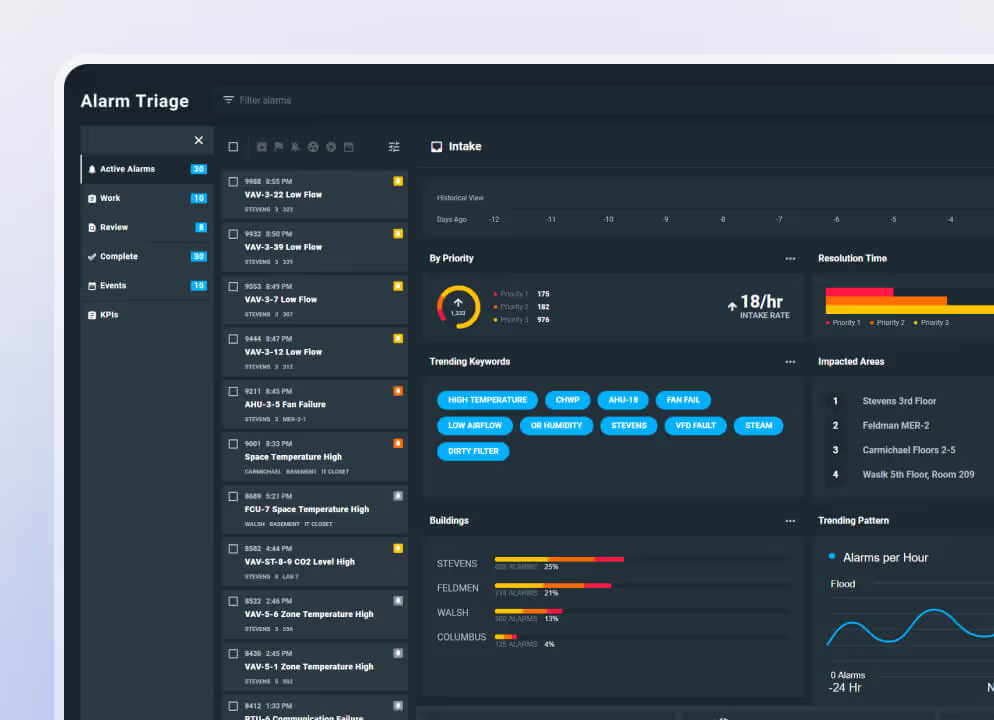
- Virtual Facility helps facilities teams manage building system alarms and prioritize critical alarms.
Together, these solutions help healthcare organizations centralize maintenance information, improve visibility, support healthcare compliance, and maintain survey-ready records.
FAQs about modern healthcare maintenance software
Related resources
From ideas to impact
You’ve read the insights, now see how TMA Systems helps teams put them into practice.