



Predictive Maintenance for Equipment Calibration
In this post
%20(1).avif)
1
2
3
Predictive maintenance uses data and analytics to anticipate calibration needs before equipment fails, helping organizations minimize downtime and costly repairs. By monitoring performance trends and tolerances, organizations can ensure accuracy, reliability, and product quality.
A Guide to Maximizing Uptime and Quality Assurance
Effective equipment calibration is critical to ensuring the quality of your products and the safety of your operations. However, traditional calibration practices can be time-consuming and may result in unexpected downtime or poor-quality assurance. This is where predictive maintenance comes in – a data-driven approach to equipment calibration that maximizes uptime and minimizes the risk of errors.
In this article, we’ll discuss what predictive maintenance is, how it works, and how it can benefit your calibration process.
What is Predictive Maintenance?
Predictive maintenance is a proactive approach to equipment maintenance that uses data and analytics to predict when equipment is likely to fail. This approach is different from traditional reactive maintenance, which involves waiting for equipment to fail before taking action.
Predictive maintenance involves monitoring the performance of equipment in real-time using sensors and other monitoring tools. This data is then analyzed using machine learning algorithms to detect patterns and identify anomalies. Based on these insights, maintenance teams can take corrective action before equipment failure occurs.
How Does Predictive Maintenance Work for Equipment Calibration?
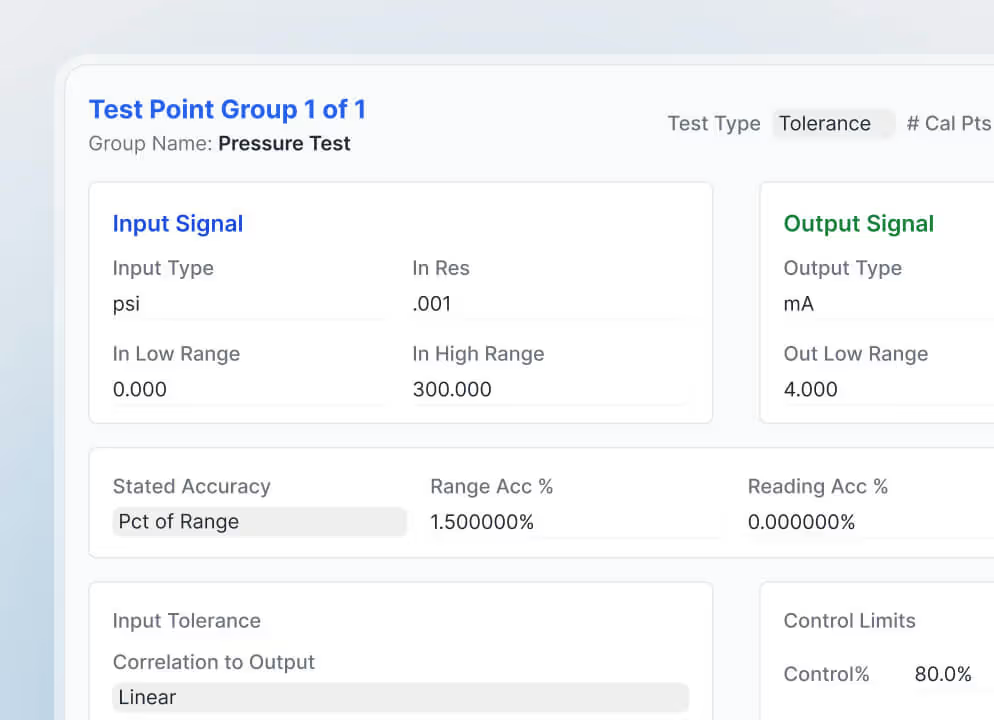
When it comes to equipment calibration, predictive maintenance involves collecting data about the calibration process, such as the equipment’s operating conditions, performance metrics, and calibration history. This data is then analyzed to identify patterns and trends that could indicate potential issues.
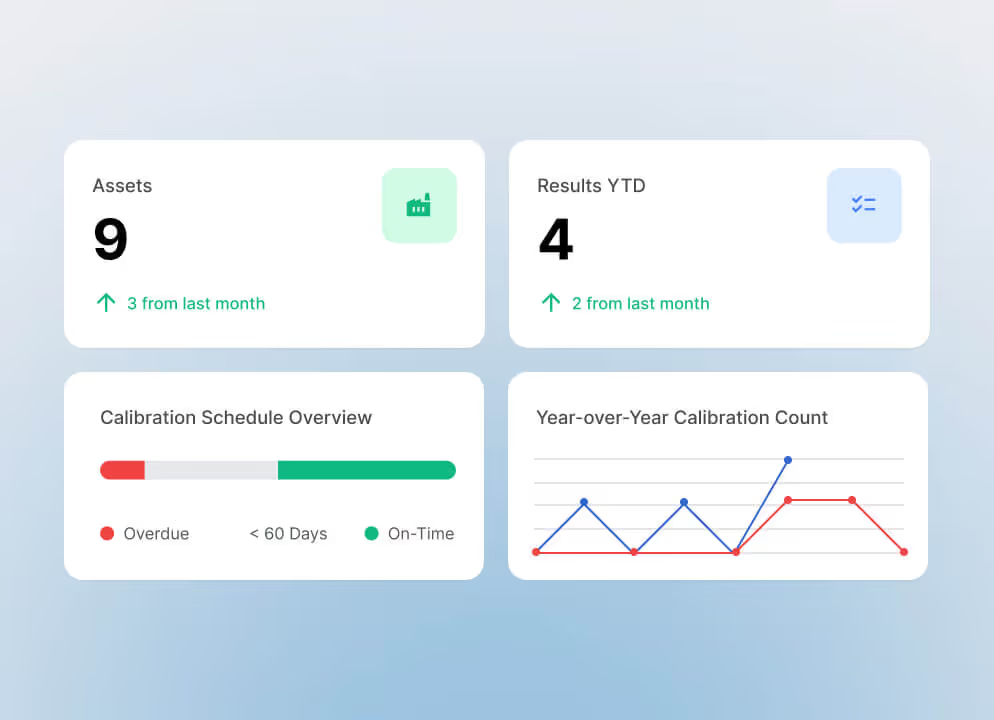
For example, if as-found readings during calibration indicate that a piece of equipment tends to drift out of acceptable accuracy between calibration cycles or after a certain number of uses, trending this information over time can provide significant benefits. Analysis may be used to determine asset reliability for various makes of OEM equipment or after exposure to certain environmental conditions. Predictive maintenance can detect these patterns and alert the maintenance team to take action before a significant drift occurs.
Benefits of Predictive Maintenance for Equipment Calibration
Predictive maintenance for equipment calibration offers several benefits over traditional calibration practices, including:
- Increased uptime: Predictive maintenance can help reduce unexpected downtime by detecting potential issues before they cause equipment failure.
- Improved quality assurance: Predictive maintenance can help ensure that equipment is always operating within the specified tolerances, minimizing the risk of producing faulty products.
- Cost savings: Predictive maintenance can help reduce the need for expensive emergency repairs and replacements, as well as minimize the cost of calibration due to increased accuracy and efficiency.
- Better resource allocation: Predictive maintenance can help optimize resource allocation by focusing on the equipment that needs maintenance the most, reducing the time and cost associated with maintaining equipment that is still operating within acceptable parameters.
Predictive maintenance for equipment calibration is an effective way to improve the uptime, quality assurance, and efficiency of your calibration process. By leveraging data and analytics, maintenance teams can detect potential issues before they cause equipment failure, reducing unexpected downtime and costly emergency repairs.
Our experts can help you implement our cutting-edge PCX calibration management software into your current calibration processes, allowing you to save time, reduce costs, and increase efficiency
Request a demo today to see PCX in action. Our team will walk you through the various features of our calibration management software, explaining how it can help optimize your calibration processes and improve equipment performance.
- Predictive maintenance increases equipment uptime by detecting potential issues before failure occurs, reducing unplanned downtime and costly repairs.
- Data-driven calibration insights improve product quality and consistency, ensuring instruments stay within precise tolerance limits.
- Optimized maintenance scheduling and resource allocation help lower calibration costs and enhance overall operational efficiency.

Download the eBook now
You’re all set!
Your eBook is on its way to your inbox. We hope it brings fresh insights and practical takeaways to help you get more from your maintenance operations.
Explore related resources
.avif)
.svg)
Predictive maintenance uses data and analytics to anticipate calibration needs before equipment fails, helping organizations minimize downtime and costly repairs. By monitoring performance trends and tolerances, organizations can ensure accuracy, reliability, and product quality.
A Guide to Maximizing Uptime and Quality Assurance
Effective equipment calibration is critical to ensuring the quality of your products and the safety of your operations. However, traditional calibration practices can be time-consuming and may result in unexpected downtime or poor-quality assurance. This is where predictive maintenance comes in – a data-driven approach to equipment calibration that maximizes uptime and minimizes the risk of errors.
In this article, we’ll discuss what predictive maintenance is, how it works, and how it can benefit your calibration process.
What is Predictive Maintenance?
Predictive maintenance is a proactive approach to equipment maintenance that uses data and analytics to predict when equipment is likely to fail. This approach is different from traditional reactive maintenance, which involves waiting for equipment to fail before taking action.
Predictive maintenance involves monitoring the performance of equipment in real-time using sensors and other monitoring tools. This data is then analyzed using machine learning algorithms to detect patterns and identify anomalies. Based on these insights, maintenance teams can take corrective action before equipment failure occurs.
How Does Predictive Maintenance Work for Equipment Calibration?
When it comes to equipment calibration, predictive maintenance involves collecting data about the calibration process, such as the equipment’s operating conditions, performance metrics, and calibration history. This data is then analyzed to identify patterns and trends that could indicate potential issues.
For example, if as-found readings during calibration indicate that a piece of equipment tends to drift out of acceptable accuracy between calibration cycles or after a certain number of uses, trending this information over time can provide significant benefits. Analysis may be used to determine asset reliability for various makes of OEM equipment or after exposure to certain environmental conditions. Predictive maintenance can detect these patterns and alert the maintenance team to take action before a significant drift occurs.
Benefits of Predictive Maintenance for Equipment Calibration
Predictive maintenance for equipment calibration offers several benefits over traditional calibration practices, including:
- Increased uptime: Predictive maintenance can help reduce unexpected downtime by detecting potential issues before they cause equipment failure.
- Improved quality assurance: Predictive maintenance can help ensure that equipment is always operating within the specified tolerances, minimizing the risk of producing faulty products.
- Cost savings: Predictive maintenance can help reduce the need for expensive emergency repairs and replacements, as well as minimize the cost of calibration due to increased accuracy and efficiency.
- Better resource allocation: Predictive maintenance can help optimize resource allocation by focusing on the equipment that needs maintenance the most, reducing the time and cost associated with maintaining equipment that is still operating within acceptable parameters.
Predictive maintenance for equipment calibration is an effective way to improve the uptime, quality assurance, and efficiency of your calibration process. By leveraging data and analytics, maintenance teams can detect potential issues before they cause equipment failure, reducing unexpected downtime and costly emergency repairs.
Our experts can help you implement our cutting-edge PCX calibration management software into your current calibration processes, allowing you to save time, reduce costs, and increase efficiency
Request a demo today to see PCX in action. Our team will walk you through the various features of our calibration management software, explaining how it can help optimize your calibration processes and improve equipment performance.
- Predictive maintenance increases equipment uptime by detecting potential issues before failure occurs, reducing unplanned downtime and costly repairs.
- Data-driven calibration insights improve product quality and consistency, ensuring instruments stay within precise tolerance limits.
- Optimized maintenance scheduling and resource allocation help lower calibration costs and enhance overall operational efficiency.
Register for your free webinar
You’re all set!
Your webinar is on its way to your inbox. We hope it brings fresh insights and practical takeaways to help you get more from your maintenance operations.
Explore related resources
.svg)
.svg)

.avif)

A Guide to Maximizing Uptime and Quality Assurance
Effective equipment calibration is critical to ensuring the quality of your products and the safety of your operations. However, traditional calibration practices can be time-consuming and may result in unexpected downtime or poor-quality assurance. This is where predictive maintenance comes in – a data-driven approach to equipment calibration that maximizes uptime and minimizes the risk of errors.
In this article, we’ll discuss what predictive maintenance is, how it works, and how it can benefit your calibration process.
What is Predictive Maintenance?
Predictive maintenance is a proactive approach to equipment maintenance that uses data and analytics to predict when equipment is likely to fail. This approach is different from traditional reactive maintenance, which involves waiting for equipment to fail before taking action.
Predictive maintenance involves monitoring the performance of equipment in real-time using sensors and other monitoring tools. This data is then analyzed using machine learning algorithms to detect patterns and identify anomalies. Based on these insights, maintenance teams can take corrective action before equipment failure occurs.
How Does Predictive Maintenance Work for Equipment Calibration?
When it comes to equipment calibration, predictive maintenance involves collecting data about the calibration process, such as the equipment’s operating conditions, performance metrics, and calibration history. This data is then analyzed to identify patterns and trends that could indicate potential issues.
For example, if as-found readings during calibration indicate that a piece of equipment tends to drift out of acceptable accuracy between calibration cycles or after a certain number of uses, trending this information over time can provide significant benefits. Analysis may be used to determine asset reliability for various makes of OEM equipment or after exposure to certain environmental conditions. Predictive maintenance can detect these patterns and alert the maintenance team to take action before a significant drift occurs.
Benefits of Predictive Maintenance for Equipment Calibration
Predictive maintenance for equipment calibration offers several benefits over traditional calibration practices, including:
- Increased uptime: Predictive maintenance can help reduce unexpected downtime by detecting potential issues before they cause equipment failure.
- Improved quality assurance: Predictive maintenance can help ensure that equipment is always operating within the specified tolerances, minimizing the risk of producing faulty products.
- Cost savings: Predictive maintenance can help reduce the need for expensive emergency repairs and replacements, as well as minimize the cost of calibration due to increased accuracy and efficiency.
- Better resource allocation: Predictive maintenance can help optimize resource allocation by focusing on the equipment that needs maintenance the most, reducing the time and cost associated with maintaining equipment that is still operating within acceptable parameters.
Predictive maintenance for equipment calibration is an effective way to improve the uptime, quality assurance, and efficiency of your calibration process. By leveraging data and analytics, maintenance teams can detect potential issues before they cause equipment failure, reducing unexpected downtime and costly emergency repairs.
Our experts can help you implement our cutting-edge PCX calibration management software into your current calibration processes, allowing you to save time, reduce costs, and increase efficiency
Request a demo today to see PCX in action. Our team will walk you through the various features of our calibration management software, explaining how it can help optimize your calibration processes and improve equipment performance.


Related resources
Related resources
You’ve seen what’s possible—connect with us to learn how TMA Systems can support your goals beyond the event.
You’ve read the insights, now see how TMA Systems helps teams put them into practice.


From ideas to impact
You’ve read the insights, now see how TMA Systems helps teams put them into practice.
From screen to solution
You’ve watched what’s possible, now see how TMA Systems works for your organization.
From results to reality
You’ve seen the success, now discover how TMA Systems can deliver it for your team.
From insight to implementation
You’ve explored the strategies, now see how we can bring them to life across your real facilities.
From insight to implementation
You’ve explored the strategies, now see how we can bring them to life across your real facilities.