What is paperless calibration management?
In this post


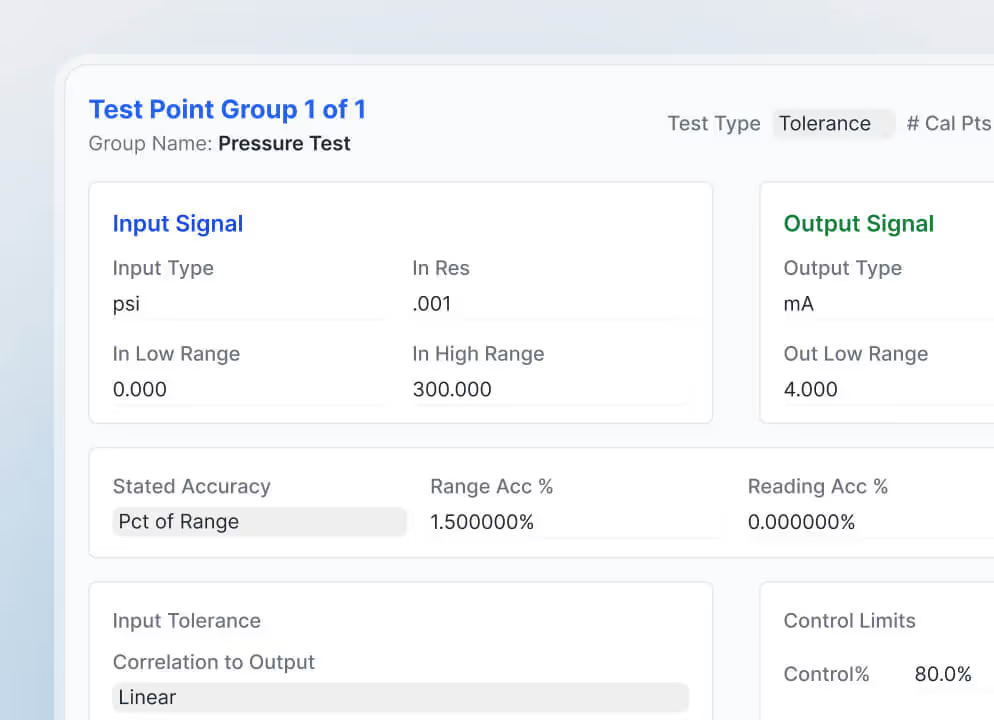

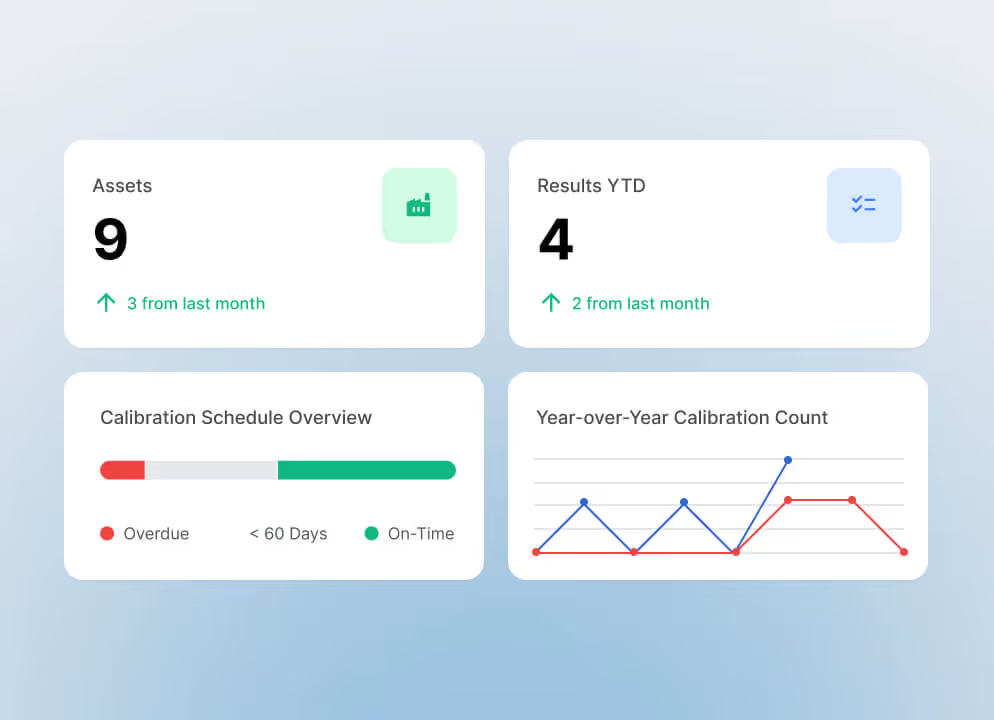

Calibration is the process of comparing measurement data provided by a device against an accurate calibration standard. While calibration itself is essential to maintaining measurement accuracy, managing calibration activities with paper-based systems can create significant challenges.
Paper-based calibration programs are often time-consuming, difficult to manage, slow to implement, and costly to maintain. Audits can become stressful when records are incomplete, disorganized, or difficult to locate. Technicians may also struggle with limited access to information, making collaboration, reporting, and data analysis more difficult.
Fortunately, a paperless calibration system helps address many of these challenges. By digitizing calibration processes and records, organizations can improve efficiency, accuracy, and compliance across their operations.
What is an electronic calibration management system?
An Electronic Calibration Management System (ECMS) is a digital solution designed to manage calibration assets, schedules, workflows, reports, metrics, and certifications.
A paperless calibration system makes it easier to record calibration results while helping ensure data accuracy and consistency. It also supports better business outcomes by simplifying calibration activities for technicians and improving visibility into calibration performance.
Organizations that adopt paperless calibration systems often benefit from:
- Lower calibration costs
- Faster access to results
- Improved process control
- Stronger compliance capabilities
- Better operational efficiency
For industries such as life sciences, food and beverage, and chemical manufacturing, maintaining quality, safety, and regulatory compliance is critical. A truly paperless calibration environment is most effective when calibration activities are integrated with broader quality management processes.
Benefits of paperless calibration
1. Optimized workflows
Paperless calibration systems help automate and streamline critical workflows, including:
- Calibration scheduling
- Work assignments
- Data collection and submission
- Work instructions
- Approvals and electronic signoffs
Automated workflows improve consistency and help ensure calibration activities are completed on time.
2. Time savings
Paper-based calibration processes often require multiple manual steps to prepare, document, review, and store calibration results.
With a paperless calibration system, technicians and engineers spend less time on administrative tasks and more time performing calibration work. Eliminating manual documentation can significantly reduce the time required to complete each calibration activity.
3. Reduced errors
Paperless systems help minimize common sources of calibration errors by:
- Improving data legibility
- Eliminating manual calculation errors
- Automating pass/fail determinations
- Recalculating limits based on actual inputs
- Reducing duplicate data entry
Because results are recorded and processed electronically, there is less opportunity for mistakes, omissions, or unauthorized modifications.
4. Software integration
Modern calibration management systems can integrate with calibration equipment and other business applications to centralize calibration information within a single database.
Benefits of integration include:
- Consolidated calibration records
- Faster data transfer from calibrators to computers
- Improved data accuracy
- Better reporting and visibility
- Reduced manual data entry
By connecting systems and devices, organizations can create a more efficient and connected calibration process.
Implementing a paperless calibration system can help organizations increase productivity, improve quality, and reduce the overall cost of calibration activities. By replacing paper-based processes with digital workflows, companies can save time, reduce errors, improve collaboration, and support regulatory compliance.
Organizations that transition to paperless calibration management often experience significant improvements in operational efficiency and process control. With centralized records, automated workflows, and easier audit preparation, a paperless approach provides a more reliable and scalable way to manage calibration programs.
For companies looking to modernize their calibration processes, a paperless calibration management solution can be an important step toward improving accuracy, efficiency, and long-term compliance.
Related resources
From ideas to impact
You’ve read the insights, now see how TMA Systems helps teams put them into practice.