



How Software Validations Help You Stay Compliant with Your Calibration Management System (CMS)
In this post
%20(1).avif)
.avif)
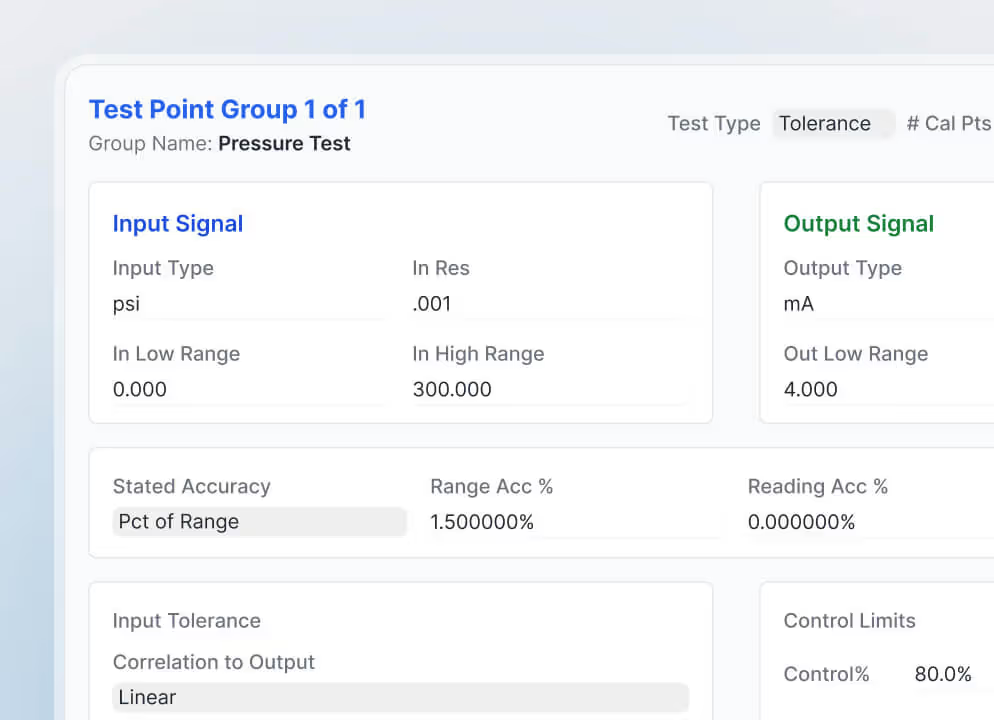

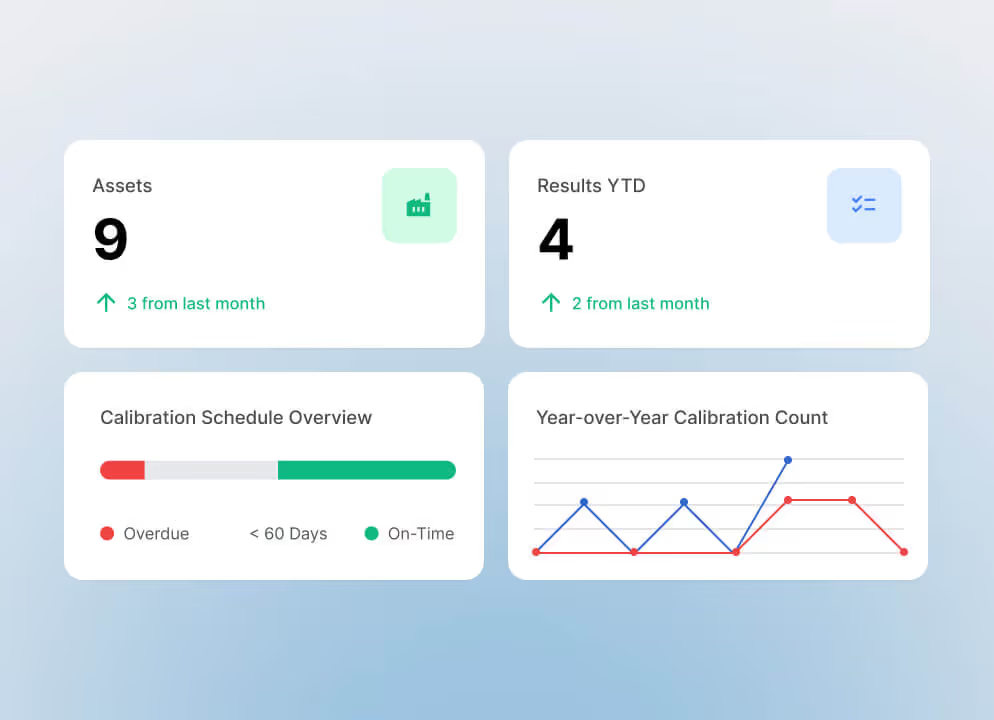

One of the most important components of a calibration management solution implementation within a regulated industry is the validation of the software. Whether you are performing a minor UAT (User Acceptance Testing) or a more thorough PQ (Performance Qualification) by leveraging vendor documentation, taking on this vital project can seem like a daunting task. Missing a proper validation within a space that requires it will almost certainly result in compliance issues.
Validation is an essential part of the implementation process; precise measurements and the documentation of those measurements create predictable manufacturing processes. The ability to quickly and effectively perform accurate validation is paramount to the success of a facility. Software validation should be reviewed both during an initial installation as well as during an upgrade, and once it is in place, a facility must ensure it remains at the level required for regulatory compliance.
One key question to ask when determining the scope of a validation is: “What level of detail is required for the system to meet all regulatory requirements?” The compliance benefits that come from the validation, what a typical software validation looks like, and the steps that you can take to get started today are all important to know as a system is configured and calibrations are scheduled. Substantial improvements in accuracy, quality, and efficiency can be achieved in calibration procedures that are automated, streamlined, and whenever possible, integrated.
Watch the webinar replay where Robert Goss, Training Manager, and Rob Efford, Validation Specialist & ProCal SME, will discuss the various levels of software validation, regulatory benefits that come from the validation, what a typical software validation looks like, and the steps that you can take to get started today.
About the webinar speakers:
Robert Goss
Training Manager
Robert has assisted companies in the process management world for more than six years and is respected for his expertise in the area of highly-regulated industries. He understands the problems that plague many of today’s calibration and process management professionals and works to develop optimal solutions for clients.
Rob Efford
Validation Specialist & ProCal SME
Rob has worked in a variety of positions at Prime Technologies during his almost two-decade tenure with the company, including Senior Quality Analyst and Quality Manager roles. He works directly with customers to develop customized calibration solutions and is an expert in the areas of validations and all things ProCal (among many other areas).
Related resources
From ideas to impact
You’ve read the insights, now see how TMA Systems helps teams put them into practice.

